Refer a Client
 Locations
 Donate
 Lotteries

Find out how to apply for the NDIS with Endeavour Foundation’s step-by-step guide, from checking eligibility and gathering evidence to what happens next.
“I don't even know where to start." It's one of the most common things our contact centre hears from people calling about the NDIS for the first time.
That's not surprising - the NDIS comes with its own language, its own paperwork, and a process that can feel like it's built for people who already know how it works. If you're just starting out, it's completely normal to feel unsure, or like you're missing something.
This guide walks through how the application process actually works: what each stage involves, what you'll need, and where to get help along the way - from our team, and from your own support network.
What Is the NDIS?
The National Disability Insurance Scheme (NDIS) is a government-funded scheme that provides support to Australians living with permanent and significant disability.
Rather than providing the same support to everyone, the NDIS funds reasonable and necessary supports based on a person's individual needs, circumstances and goals.
Depending on your situation, your NDIS funding may help you access supports such as daily living assistance, community participation, therapy services, assistive technology, employment supports, home modifications and Supported Independent Living (SIL).
The first step is understanding whether you're eligible to access the scheme.

Who Is Eligible for the NDIS?
Eligibility is assessed by the National Disability Insurance Agency (NDIA), and while the criteria can look straightforward on paper, working out where you or someone you support fits isn't always simple.
Generally, to access the NDIS you need to be:
- Under 65 years of age when you apply
- An Australian citizen, permanent resident, or Protected Special Category Visa holder
- Living with a permanent disability that significantly affects your ability to complete everyday activities
If you are applying on behalf of a child, the pathway can look different. For children under 9, we recommend contacting your local early childhood partner for guidance on accessing supports. For children aged 9 and over, you can contact your local NDIS partner to discuss the next steps.
If you're not sure which applies to your situation, that's exactly the kind of question our team can help you work through.
None of this is about ticking boxes for its own sake - it's about making sure the right support reaches the right people.
Before You Apply
Before starting your application, it can help to understand how the process works and what comes after you're approved.
At Endeavour Foundation, we often speak with people who aren't sure where to begin or what to expect. Taking the time to understand the process before you apply can help you feel more prepared and confident as you move through each stage.
Step 1: Check Your Eligibility
Before completing an application, it's worth checking whether you meet the NDIS access requirements.
The NDIA provides information and eligibility checklists that can help you determine whether you're likely to qualify.
It's important to remember that a diagnosis alone doesn't automatically qualify someone for the NDIS. The NDIA also considers how your disability affects your ability to participate in everyday life and complete daily activities independently.
Step 2: Gather Supporting Evidence
Supporting evidence is one of the most important parts of the application process because it helps the NDIA understand both your disability and how it affects your everyday life.
This may include:
- Reports from your GP
- Specialist assessments
- Allied health reports
- Functional capacity assessments
- Medical history and diagnosis documentation
Providing detailed, up-to-date evidence can help the NDIA make an informed decision and reduce delays caused by requests for additional information.
How Endeavour Foundation Can Help
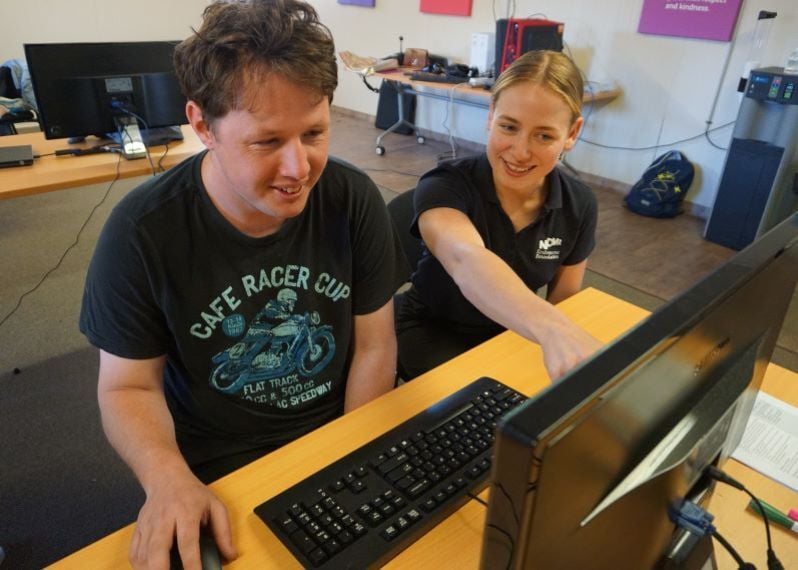
Many people find this stage confusing because they're unsure what information the NDIA is looking for or what happens once they submit their application.
While your healthcare professionals provide the evidence required for your application, our team can answer your questions about the NDIS, explain the different support options available and help you understand what to expect throughout the rest of your journey.
Step 3: Submit an Access Request
Once you've gathered your supporting evidence, you'll need to submit an Access Request to the NDIA.
You can do this by calling the NDIS, completing an Access Request Form, working with a Local Area Coordinator (LAC) or seeking assistance from a disability advocacy service.
During this stage, you'll provide your personal information, details about your disability and the supporting evidence you've gathered.
Step 4: Wait for an Eligibility Decision
After your Access Request has been submitted, the NDIA will assess your application.
Depending on your circumstances, they may request additional information or contact your healthcare professionals for further evidence.
Assessment timeframes can vary, but once a decision has been made, you'll receive written confirmation advising whether your application has been approved.
Step 5: Prepare for Your NDIS Planning Meeting
If your application is approved, you'll move to the planning stage.
During your planning meeting, you'll discuss your goals, the supports you currently receive, the challenges you experience in everyday life and where additional support may help you achieve greater independence.
Before your meeting, it's worth taking some time to think about what you'd like to achieve, both now and in the future.
Your goals might include:
- Becoming more independent at home
- Building everyday life skills
- Spending more time in your community
- Finding employment opportunities
- Improving your health and wellbeing
- Exploring independent living options
The more clearly you can explain your goals and the challenges you face, the easier it is for your planner to understand the supports that may help you achieve them.
Thinking Beyond the Planning Meeting
Receiving NDIS funding is an important milestone, but it's only the beginning of your journey.
Your planning meeting is an opportunity to think about the life you want to build and the supports that will help you get there.
At Endeavour Foundation, we support people across many areas of everyday life, including Supported Independent Living (SIL), employment, community participation, learning and lifestyle programs, and in-home support.
Understanding these options before your planning meeting can help you have more informed conversations about the supports that best suit your goals.
Step 6: Receive Your NDIS Plan
Following your planning meeting, you'll receive your NDIS plan.
Your plan outlines the funding you've been approved for, the support categories included in your plan, the goals your funding is designed to support and how your plan will be managed.
Once your plan is approved, you can begin accessing the supports and services included in your plan.
What Happens After Your NDIS Application Is Approved?
Receiving your first NDIS plan is a significant milestone, but it is also the beginning of the next stage of your journey.
Many participants quickly discover that understanding their funding, choosing providers and coordinating supports can feel just as unfamiliar as the application process itself.
Depending on your plan, you may have funding for Support Coordination. A Support Coordinator can help you understand your plan, connect with providers and build confidence in managing your supports.
If your plan includes funding for Support Coordination, you can engage Community Solutions Group for support in understanding your funding, organising your supports and connecting with suitable providers.
Having the right support network around you can make a big difference as you begin working towards your goals.
You can also contact Endeavour Foundation’s Intake team to discuss your NDIS plan, explore the supports and services we offer, and find out what options may be right for you.
What If Your NDIS Application Is Rejected?
If your application isn't approved, it doesn't necessarily mean the process is over. Depending on your circumstances, you may be able to:
- Request a review of the decision
- Provide additional supporting evidence
- Seek assistance from disability advocacy organisations
- Work with your healthcare professionals to strengthen your application
Many successful applicants are approved after providing more detailed evidence about how their disability affects their daily life.
Need Help Navigating the NDIS?
Whether you're preparing your first application, waiting for a decision or getting ready to use your first NDIS plan, Endeavour Foundation is here to help.
For 75 years, we've supported Australians with disability to build independence, develop skills, connect with their communities and achieve their goals.
Whether you're looking for support at home, employment opportunities, community participation, Supported Independent Living (SIL) or learning and lifestyle programs, our team can help you explore the support options available.
Get in touch with Endeavour Foundation today to learn more about our disability support services or refer a client to our team.