Refer a Client
 Locations
 Donate
 Lotteries


Home is more than a place to live. It is where people build routines, develop independence and feel connected to their community.
Supported Independent Living (SIL) can help people with disability build the skills and confidence needed to live more independently while receiving the support they need at home.
However, many participants and families find the SIL funding process difficult to navigate. While people often know what support would help them live more independently, translating that need into the language and evidence required by the NDIS can be challenging.
This guide explains how to apply for Supported Independent Living under the NDIS, what evidence to prepare and how to choose a provider with care.

What Is Supported Independent Living NDIS Funding?
SIL is designed to help people with disability live as independently as possible while receiving the assistance they need to build skills and achieve their goals.
This funding pays for support workers to support and supervise a participant at home. SIL is intended for people who need support or supervision 24/7.
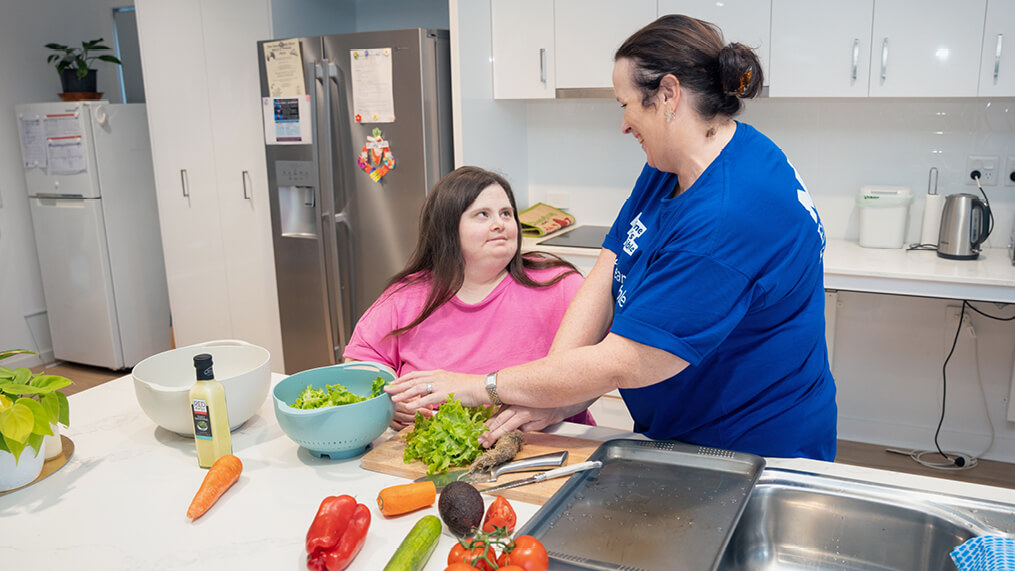
It can include help with personal care, cooking, cleaning, routines, medication prompting and the development of daily living skills.
SIL funding covers support workers within the home, not expenses such as rent, groceries, utilities or other everyday household costs.
It also differs from Specialist Disability Accommodation (SDA), which covers the home itself for people with very high support needs or extreme functional impairment, while SIL funds the support provided within the home.
Some participants receive both SIL and SDA funding, but eligibility for one does not automatically mean eligibility for the other.
Step 1: Understand Whether SIL Matches the Person’s Needs
The first step in the SIL funding process is to consider whether the person needs ongoing, structured support at home rather than intermittent assistance.
SIL is generally most relevant where a person needs substantial supervision, shared supports or consistent help to live safely and develop independence.
It may not be the right model if the person wants to manage their own workers entirely, lives in a setting where different supports would be more suitable or needs a housing solution before a support model.
Families should document the daily realities that are easy to underestimate: risks when no worker is present, personal care routines, behaviour support needs, overnight concerns, mealtime support, medication routines and the skills the person wants to build.
This is not about deficit-based language. It is about describing the support required so the person can participate in everyday life with the same expectation of safety and belonging as anyone else.

Step 2: Prepare Evidence Before the Planning Meeting
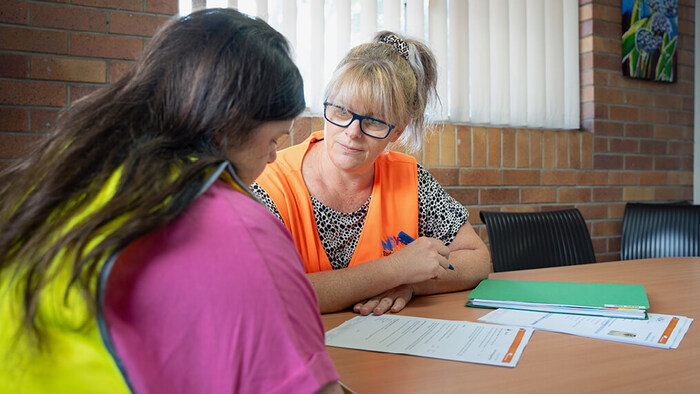
A strong application is usually built before the formal conversation occurs. The NDIS will look for a clear relationship between disability-related needs, functional impact, goals and the type of support requested.
Allied health reports, daily support logs, behaviour support information, risk assessments and carer statements can help show why independent living support is reasonable and necessary. Useful evidence may include:
- A functional capacity assessment from an Occupational Therapist or other relevant allied health professional
- Reports that explain supervision needs, not only task assistance
- A weekly routine showing when support is needed and why
- Incident records, hospital discharge information or safeguarding concerns if relevant
- A statement about goals, such as increasing domestic skills, improving community participation or moving from the family home
- Information about informal supports and why they are no longer sustainable
Many people with disability and their families are unsure what wording to use in their NDIS plan. This preparation stage provides an opportunity to think carefully about how the person's support needs will be explained and evidenced.
A common challenge is describing vulnerability without diminishing the person's autonomy.

Step 3: Use Clear Wording in the NDIS Planning Meeting
In the planning meeting, explain the person’s goals and support needs in practical language.
Instead of asking only for 'SIL', describe what happens during a normal day, what risks arise without support and what outcomes the person is working towards. This helps connect the request for SIL funding with functional need.
If the participant is involved in the planning meeting, encourage them to describe their goals and support needs in their own words where possible. Helpful wording may include:
- “I need support to live safely at home and build daily living skills.”
- “I need supervision and assistance across the day because of my disability-related support needs.”
- “My goal is to live more independently while maintaining safe routines, community connection and personal wellbeing.”
- “Informal supports cannot continue at the current level, and a structured home support model is required.”
Avoid presenting SIL as simply a preferred accommodation option. The stronger framing is that the person needs disability-related support in the home to live safely, practise skills and maintain participation.
Need Help Preparing for a Planning Meeting?
Our SIL team can help you understand what evidence may be required, how SIL funding requests are assessed and what information can help demonstrate daily support needs.
Get in Touch

Step 4: Work with a Support Coordinator and Potential Providers
A Support Coordinator can help gather information, compare providers and clarify whether SIL is the most appropriate support model. If SIL is already in the plan, the NDIS notes that a Support Coordinator may help a participant find providers so they can live safely at home.
When speaking with providers, ask for more than availability. Ask how they build independence, manage staff consistency, respond to incidents, involve families appropriately and respect choice and control.
Because SIL can be delivered in different ways depending on a person's goals, preferences and support requirements, it is important to compare factors such as location, cultural fit, housemate compatibility, transport options and community connections.
Questions to ask a SIL provider include:
- Are you registered or have you applied to register for SIL?
- How do you match support workers with participants?
- How are routines, goals and communication preferences recorded?
- What happens if the person's needs change?
- How do you separate tenancy matters from support delivery?
- How do families receive updates while respecting the participant's rights?
Why Choosing the Right SIL Provider Matters
The provider you choose can influence far more than daily support.
A good SIL provider will help create a home environment where a person with disability can build skills, develop relationships and pursue meaningful goals.
At Endeavour Foundation, we work with participants and their families to explore living arrangements that align with the participant's goals, preferences and support needs. As Queensland's largest SIL provider, we focus on:
- Building independence and daily living skills
- Supporting choice and control
- Creating safe and welcoming home environments
- Encouraging community participation
- Matching supports to individual goals and preferences
Enquire Now
Step 5: Obtain a SIL Quote and Submit Supporting Information
A SIL quote usually outlines the proposed roster of care, ratios of support, active and inactive overnight support where relevant and how the provider intends to deliver assistance.
The quote should align with the evidence, goals and daily support needs. If there is a mismatch, ask questions before anything is submitted.
The application should present a coherent picture: the person’s goals, the disability-related barriers, the risks of insufficient support, the recommended model and the expected benefits. This is where careful preparation protects the participant from vague or incomplete wording.
For parents, it can also provide reassurance that decisions are being made around the person’s needs, not around administrative convenience.

Step 6: Check Registration, Claiming and Ongoing Management
Since 1 July 2026, providers delivering SIL must be registered or must have applied for registration before 1 October 2026.
Existing unregistered providers who did not apply by 1 October 2026 can only claim for services up to 30 September 2026, and plan managers should reject invoices from providers who are not registered and have not applied.
This makes provider due diligence essential. Ask for evidence of registration status or application status, and make sure invoices use the correct SIL support arrangements.
As a registered NDIS provider, Endeavour Foundation delivers SIL services in line with NDIS registration requirements. This gives participants and families confidence that our services are backed by established quality and safeguarding systems.

Step 7: Review the Arrangement After SIL Begins
Securing funding is not the end of the journey. SIL should be reviewed regularly to ensure the person is progressing towards their goals and receiving the support they need.
The person should feel safe, be able to build confidence and exercise meaningful choice, not merely receive rostered shifts.
Families can look for signs that the model is working: routines are stable, workers understand communication needs, risks are managed respectfully and the person is developing skills over time. If the arrangement is not working, raise concerns early and keep written records.
SIL should support progress towards goals, not simply provide assistance with daily tasks.

Why Families Choose Us for Supported Independent Living
Applying for SIL can feel overwhelming, particularly when the process involves funding, evidence and major life decisions.
The strongest SIL applications combine clear evidence, realistic goals and a provider that understands how to support people with disability to live independently and safely.
Since 1951, we have supported people with intellectual disability to live, learn, work and flourish in their communities.
As the largest SIL provider in Queensland, our experienced team can help participants and families understand the process, explore living options and plan for a successful transition.
Keen to find out more? Reach out to us today.