Refer a Client
 Locations
 Donate
 Lotteries


Do you have to tell your employer about your disability?
You might be weighing up whether telling your employer about your disability could help you get the support you need at work, or wondering what could happen if you choose not to share that information.
In most cases, you do not have to tell your employer about your disability. But that is not the end of the story.
You may still want to know what your employer can ask, what they are required to do and what protections you have at work.
In this article, we look at your rights, the potential risks of disclosing or not disclosing your disability and the things you may want to consider before deciding what is right for you.

Do You Have to Tell Your Employer?
No, you do not have to tell your employer about your disability. The Australian Human Rights Commission says that, in most circumstances, information about your disability is private and the decision to share it is up to you.
But there may be good reasons to provide some information about your disability at work. If you need reasonable adjustments to do your job, telling your employer what support you need can help them understand how to remove barriers and put appropriate adjustments in place.
You may not need to disclose your disability itself, only the adjustments you require.
There may also be circumstances where your disability affects your ability to carry out the inherent requirements of your role, even with reasonable adjustments. In these situations, telling your employer may be important so they can consider what adjustments or other arrangements may be possible.

The Workplace Reality in Australia
For many people with disability, deciding whether to disclose is not simply a question of privacy. It can also mean weighing up whether sharing information will lead to better support or a different experience at work.
National employment data helps explain why many people weigh this decision carefully. In 2022, people with disability aged 15 to 64 had a labour force participation rate of 60.5%, compared with 84.9% for people without disability.
Research by the Australian Disability Network found that 56% of employees with disability were worried their employer might treat them differently if they asked for a workplace adjustment, while 45% were concerned about their co-workers’ attitudes.
These figures do not mean that disclosure is unsafe or that people should avoid it. They highlight why choice, privacy, support and an inclusive workplace matter when someone is deciding what information to share.

Your Privacy and Your Rights
Information about your disability is private, and in most circumstances, you do not have to discuss it with an employer or potential employer. If you choose to do so, employers should handle it appropriately and focus on what is relevant to the role.
You do not have to reveal medical or personal details that are not related to the job.
Employers have obligations to provide equal employment opportunities and should not make assumptions about what a person with disability can or cannot do. People should be assessed on their ability to perform the essential activities of the job.
These rights can affect every stage of employment, from applying and interviewing to learning the role, accessing adjustments and progressing at work.

When Sharing Information May Help
Talking about your disability can be useful when it helps create a safer, more accessible and fairer workplace.
You do not need to reveal every diagnosis, history or private detail. Instead, focus on explaining the support you need to do the job effectively.
You may choose to share information if:
- You need changes during recruitment, such as extra time, an accessible interview space or communication support
- You need workplace adjustments, such as equipment, flexible hours, changed duties or assistive technology
- Your disability may affect your safety or the safety of others
- You want a clear written plan for support, expectations and review
- You are returning to work after illness, injury or a change in capacity
Reasonable adjustments can include physical changes, equipment or services, and changes to work methods or tasks.
Employers are generally required to make reasonable adjustments unless doing so would cause unjustifiable hardship or the person cannot perform the inherent requirements of the role even with reasonable adjustments.

When Is Disability Information Relevant at Work?
Not all disability information is relevant at work. In most cases, employers only need information that relates directly to performing the job safely and effectively. This does not mean they are entitled to ask intrusive questions about someone’s body, medication, family life or personal history.
For example, saying, "I need written instructions after meetings" is usually more useful than detailing a full medical story. Saying, "I need a chair at the service counter because standing for long periods affects my capacity" keeps the focus on the task and the adjustment.
You may also need to discuss the inherent requirements of the role. The Australian Human Rights Commission describes these as the essential qualifications, skills, tasks and ways tasks must be performed. If a person cannot perform those requirements even with reasonable adjustments, different legal issues may arise.

Risks to Consider Before Disclosure
Disclosure can open the door to support, but it can also feel risky. Some people worry about being judged as less capable. Others have already experienced stigma, poor communication or broken trust.
Before sharing, it can help to think through:
- Purpose: What outcome do you want from the conversation?
- Timing: Is this best discussed during recruitment, after an offer, during onboarding or when support is needed?
- Detail: What does the employer truly need to know?
- Evidence: Would a short letter from a treating professional help explain the adjustment without oversharing?
- Record keeping: Can you confirm the request and response in writing?
You can decide what to share, when to share it and who needs to know.
How Can You Share Information Safely?
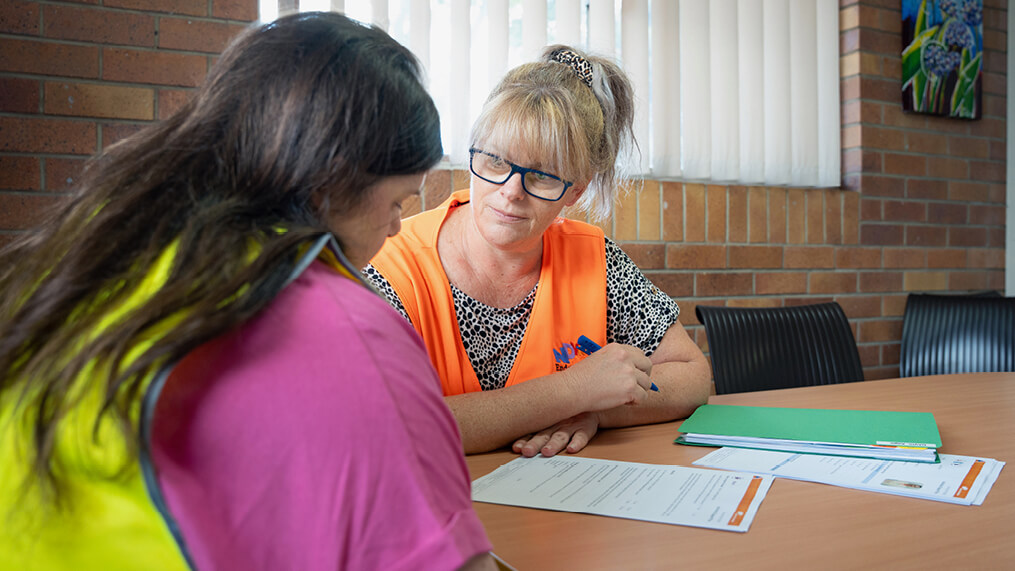
The safest way to discuss your support needs is to focus on the job, explain the adjustment required and keep a written record. You can be warm and direct without revealing your entire story.
A simple script might sound like this:
"I have a disability and can do this role with a workplace adjustment. I would like to talk about what I need to work safely and effectively."
You can also ask who will see the information, where it will be stored and how confidentiality will be protected. A respectful employer should be able to answer those questions clearly.
If you are unsure what to say, write down the exact adjustment needed and practise the conversation with a trusted support worker, advocate or family member before speaking with the employer.

If Something Goes Wrong
If an employer refuses reasonable adjustments, shares private information or treats you unfairly after disclosure, keep notes, save emails and ask for reasons in writing.
You may also seek advice from JobAccess, a union, a community legal centre, an employment lawyer or the Australian Human Rights Commission.
If you believe you have experienced disability discrimination in Australia, you can also explore complaint pathways through the Australian Human Rights Commission and relevant state and territory bodies.

Looking for Work?
If you are looking for a job and want to understand your employment options, we can help you explore opportunities that match your goals, strengths and support needs.
As Australia’s largest employer of people with intellectual disability, we understand the importance of finding work where you can contribute, develop your skills and get the right support when you need it.
With two key employment pathways available, you can discover opportunities with us or get support to find a job with a local inclusive employer. Take the first step towards rewarding work today.