Refer a Client
 Locations
 Donate
 Lotteries

Leaving school is a major milestone for any young person, but for students with intellectual disability it can mean a particularly significant change to the routines and supports they have known for years.
When the familiarity of school ends, students can face major changes to their day-to-day lives while families begin making decisions about employment, community participation, independence and disability supports.
For 75 years, Endeavour Foundation has supported people with intellectual disability to live, learn and work. We know that preparing for life after school takes time, which is why transition planning should begin well before a student reaches their final day in the classroom.
Today, we work with schools to help students with intellectual disability explore what life after school could look like while they still have the support of school around them.
Through tailored school programs, students can experience adult disability services and work environments before they graduate, helping make the move into adult life more familiar.
What is transition planning?
Transition planning is the process of preparing a student for the move from school into adult life.
For students with intellectual disability, this can mean exploring employment or community participation. It can also involve developing life skills and understanding the supports that may become part of their lives after school.
There is no single pathway that will suit every student. Some may already know they want to work, whilst others may want to become more independent or simply need time to explore what is available.
Starting early gives them more time to discover their interests and experience different options before making decisions about what comes next.

Why should transition planning start early?
When transition planning is left until the end of Year 12, students with intellectual disability and their families can suddenly face a lot of decisions at once.
They may be trying to work out what the student will do during the week or whether employment is the right next step. At the same time, they may need to understand which disability services and supports are available after school.
Starting these conversations earlier gives everyone more time to explore those questions without the pressure of graduation approaching.
Importantly, students also get to try different pathways for themselves, rather than just hearing about them.
A student interested in employment can try different work tasks before leaving school. Another student may benefit from visiting an adult disability service several times so they can become comfortable with the environment and the people around them.
These experiences can help students develop a clearer idea of what they enjoy and what they want life after school to look like.

Give students the chance to experience what comes next
Practical experience can be particularly valuable when helping students with intellectual disability prepare for life beyond school.
Endeavour Foundation's school programs are tailored around the needs and interests of students rather than taking a one-size-fits-all approach.
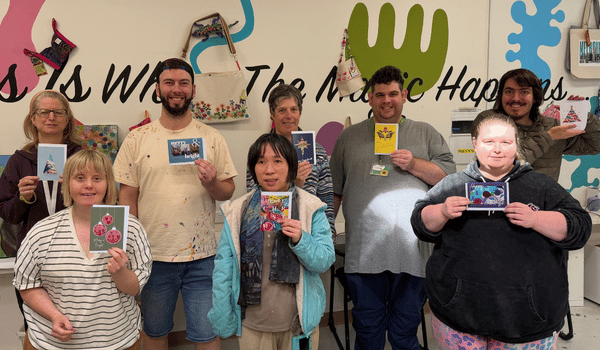
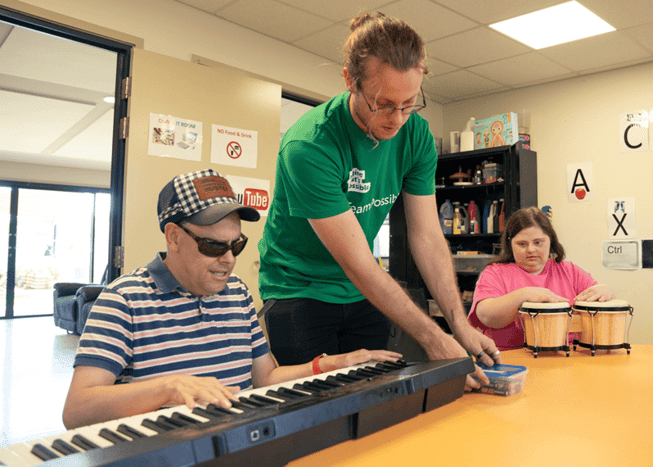
Through our Learning and Life Skills School Experience, students can visit Endeavour Foundation Learning and Lifestyle hubs before they leave school. They can take part in programs based around their interests in a safe and structured environment. These may include activities such as robotics, virtual reality driving and Healthy Choices.
For students interested in employment, we also work with schools to provide tailored work experience opportunities. Students can try different work tasks and develop new skills with support from mentors and supervisors.
That first-hand experience carries more weight than any conversation about their options could. It can also make the people and places that may form part of their adult lives feel much more familiar before school ends.
Make the transition from school more gradual
For a student with intellectual disability, transitioning to adult life does not need to mean finishing school one day and entering a completely unfamiliar environment the next.
Where appropriate, students can begin experiencing post-school programs or workplaces while they are still at school.
This gives them time to become familiar with new environments at their own pace. Schools and families can also see what works well for the student and where they may need additional support.
By the time graduation arrives, the next step may already be somewhere the student knows.
Instead of starting from scratch after school, they may simply increase their participation in a program or environment they have already experienced.
How can schools support a successful transition?
Teachers and school support staff often have a strong understanding of how their students with intellectual disability learn, what they enjoy and where they may need support.
That puts schools in an important position to start conversations about life after school early and create opportunities for students to explore what might come next.
Endeavour Foundation can work alongside schools throughout this process. Our School Services give students opportunities to experience adult disability services before they graduate, while helping schools and families better understand the pathways that may be available.
Giving students time to explore different options and gain real-world experience can help them develop a clearer idea of what life after school could look like.
Start planning for life after school
After 75 years supporting people with intellectual disability, we know there is no single 'right' pathway when it comes to life after school, because everyone's journey is different.
What matters is giving each student the opportunity to explore what they enjoy and prepare for the next stage of their life in a way that works for them.
Endeavour Foundation's School Services can help students start that process before graduation through tailored Learning and Lifestyle programs and supported work experience.
Starting early can make the transition from school feel less abrupt. Instead of reaching graduation and asking what happens next, students can leave school having already started taking their next steps.
Explore Endeavour Foundation’s school services to see how we can support your child’s transition to adult life, before they leave school.