Refer a Client
 Locations
 Donate
 Lotteries
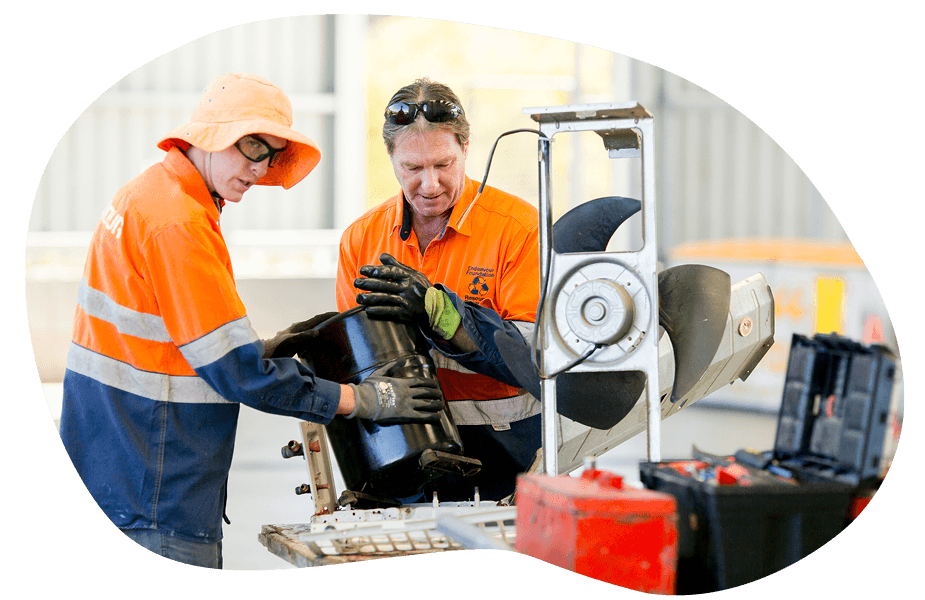
From fragmented systems to high-performing programs – discover what sets leading recycling solutions apart.
Most organisations recycle in some form. Cardboard is baled. Paper and plastics are collected. E-waste is removed when required.
Yet many procurement managers, operations directors, sustainability managers and council waste leaders know that results often fall short.
Contamination remains high. Reporting is inconsistent. Costs continue to rise. Environmental, Social and Governance (ESG) targets are difficult to prove.
The difference between average and high-performing recycling programs is not effort; it is system design.
Strong recycling outcomes come from integrated, scalable solutions that treat recycling as part of operations, not a standalone service.
In this article, we explore what high-performing recycling programs do differently and how integrated, scalable solutions improve efficiency, compliance and ESG outcomes.
Common Challenges in Commercial and Council Recycling
Many recycling programs struggle with the same core issues, regardless of industry or location.
Contamination
This is one of the most common problems. When materials are poorly sorted or mixed incorrectly, recyclable streams lose value or are diverted to landfill. This increases costs and reduces diversion rates.
Inconsistent Service Delivery
This is another challenge, especially across multiple sites. Different providers, varying collection schedules and site-specific workarounds often result in uneven performance and limited control.
Poor Reporting
Inadequate reporting holds organisations back. Without clear data on volumes, diversion rates and material streams, it is difficult to track progress, meet compliance requirements or support ESG reporting.
Over time, these issues create frustration, cost leakage and risk, even for organisations that believe they are ‘doing the right thing’.

What High-Performing Recycling Programs Include
High-performing recycling programs are designed, not patched together. They share several key features that drive better outcomes.
1. Material Stream Assessment
Strong programs start with understanding what is actually being generated on site. This includes reviewing waste types, volumes, contamination risks and operational workflows.
By assessing material streams properly, organisations can:
- Identify high-value recyclable materials
- Reduce unnecessary landfill disposal
- Improve on-site separation
- Design practical systems that match how teams work
This step alone often unlocks immediate cost and efficiency gains.
2. Scalable Logistics and Infrastructure
High-performing programs are built to scale. Whether supporting a single site or a national network, logistics and infrastructure must be consistent and reliable. This includes:
- Scheduled and on-demand collections
- Site-appropriate bins, cages and equipment
- Processing capacity that can handle volume changes
- Coordinated logistics across regions
Scalability is especially critical for multi-site businesses, where service inconsistency can quickly undermine performance.
3. Compliance Built In
Leading recycling programs treat compliance as a core feature, not an add-on. This allows organisations to:
- Track landfill diversion and recovery rates
- Support ESG, audit and tender requirements
- Demonstrate compliance with environmental standards
- Make informed decisions to improve performance
4. Workforce Integration and Site Support
Recycling works best when people are part of the system.
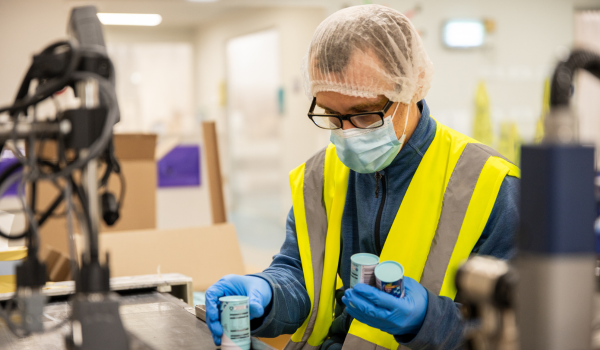
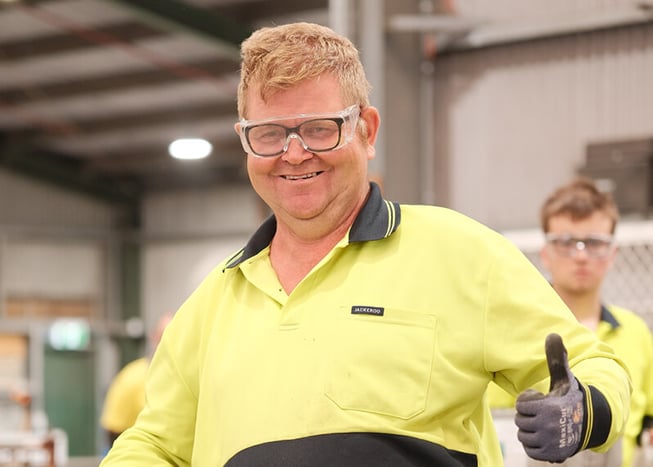
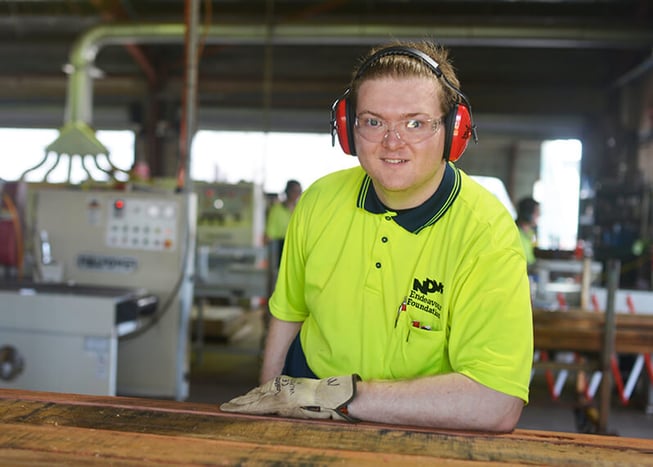
High-performing programs, such as those delivered by Endeavour Foundation Business Solutions, integrate trained workforces into daily operations, supporting:
- On-site sorting and quality control
- Safer handling of materials
- Consistent processes across shifts and locations
- Continuous improvement over time
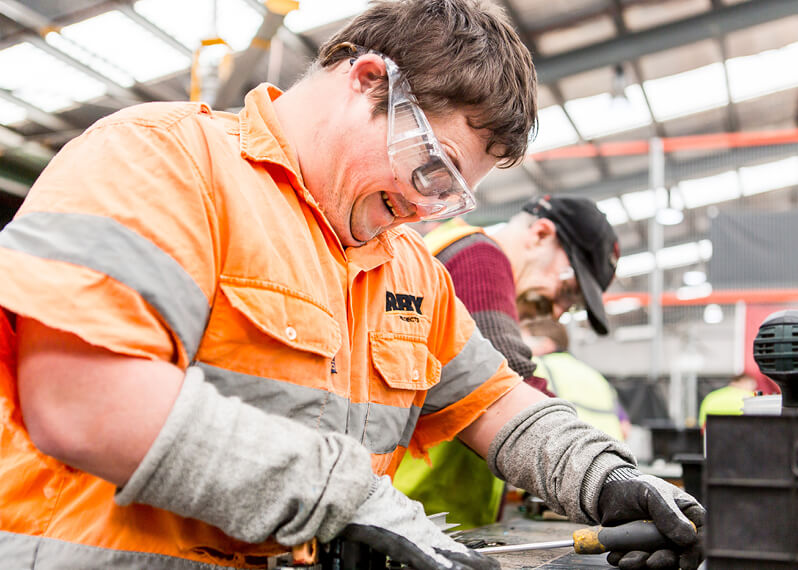
This is particularly effective in council resource recovery centres and high-volume commercial sites.
Multi-Site and Council Recycling in Practice
For national businesses, high-performing recycling programs rely on standardisation. Centralised reporting, aligned service levels and coordinated logistics ensure consistent outcomes across all locations.
For councils, effective recycling often combines infrastructure with workforce solutions. Facility supervision at transfer stations and resource recovery centres improves material separation, increases diversion and supports community engagement.
In both cases, success depends on partnership. Recycling providers must understand operational realities, compliance requirements and community expectations, and be able to deliver at scale.
Recycling as an Operational and ESG Advantage
Well-designed recycling programs do more than reduce waste. They improve operational efficiency and strengthen ESG performance at the same time. Benefits include:
- Lower landfill and disposal costs
- Fewer service disruptions
- Clearer sustainability reporting
- Stronger tender and procurement positioning
- Demonstrable environmental and social impact
Recycling becomes a tool for better decision-making, not just an environmental obligation.
Choosing the Right Recycling Partner
The most successful recycling programs are built with partners that offer more than collections. They bring system design, compliance expertise, workforce capability and scalable infrastructure.
Endeavour Foundation Business Solutions delivers integrated recycling and resource recovery services across Australia, supporting councils and commercial organisations with contract-ready, compliant and scalable solutions.
Through dedicated facilities, hosted workforce partnerships and logistics networks, recycling programs are designed to fit real operations while also delivering meaningful employment and social impact.
The Key Takeaway
Smarter recycling is not about more bins. It is about better systems, improved data and the right partner.
High-performing recycling programs reduce cost, improve compliance, strengthen ESG outcomes and support long-term operational success.
If your recycling program feels fragmented, inconsistent or hard to measure, it may be time for a reset. Now is the time to take the next step.
Get a free quote or call us on 1800 112 112.