Refer a Client
 Locations
 Donate
 Lotteries

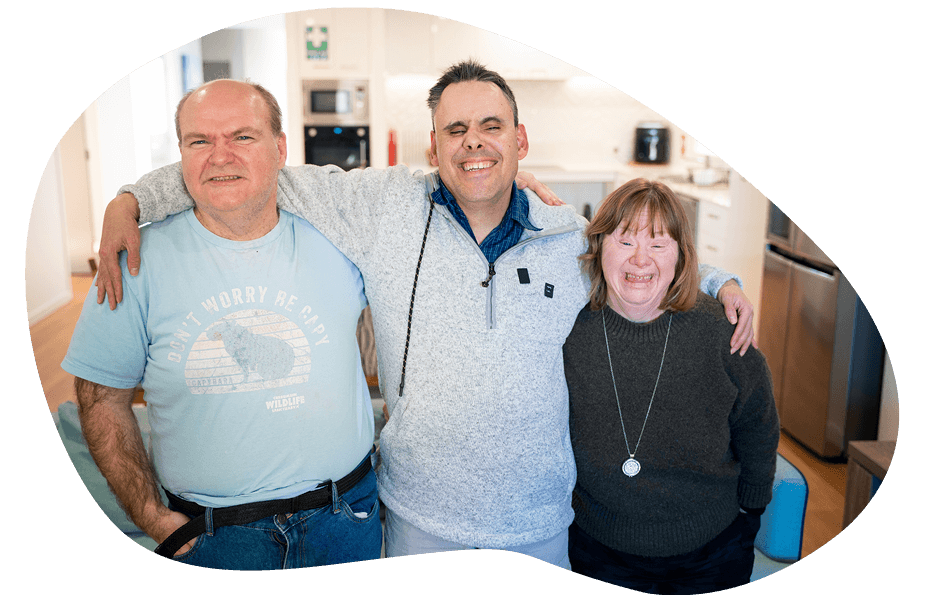
Recognise if your client is ready for Supported Independent Living (SIL) and help to kickstart their journey.
Embracing SIL is an exciting time for a person with disability.
It is also a huge transition in their lives.
But how do you know if one of your clients is ready for SIL? And if they are ready, where do you start?
We’re here to answer those questions and plenty more.
In this handy guide designed specifically for referrers and NDIS professionals, we will help you spot the early signs that your client could benefit from a supported living environment and detail what steps to take next.
From checking eligibility to busting myths, here is all you need to know about transitioning a client to SIL.
NDIS Supported Independent Living Explained
Supported Independent Living (SIL) is a support funded by the NDIS to help people with disability live as independently as possible – either in their own home or in shared accommodation with other participants.
SIL focuses on the supports a person needs each day, not the property itself.
These supports are designed to build skills, increase confidence and provide stability in daily routines. Examples of SIL supports include:
- Assistance with cooking, cleaning and personal care
- Help managing medication and daily schedules
- Support with communication, budgeting and social participation
- Overnight or 24/7 supervision where needed for safety and wellbeing
SIL is most used by people who need regular support throughout the day and night to live safely at home but who still want to maintain as much independence as possible.
Various support types can work together as part of a person’s NDIS plan. For example, someone might live in a Specialist Disability Accommodation (SDA) home but receive SIL funding to cover their daily support needs.
Why SIL Matters
For many participants, SIL can be life-changing. It offers consistency, companionship and the chance to learn practical skills that build long-term independence.
For referrers, it provides a safe and structured environment that supports the person’s goals while reducing the risk of isolation, carer fatigue or unsafe living conditions.
When professionals understand where SIL fits within the NDIS, they can guide conversations confidently and ensure participants are connected to the right level of support at the right time.
Below is an excellent example of a positive SIL transition.
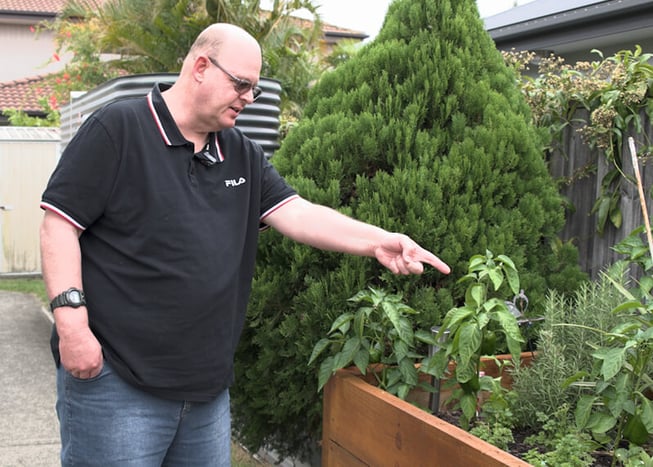
Case Study: Douglas’s Story – a Fresh Start
When Douglas’s previous provider could no longer support him with accommodation, his future felt uncertain.
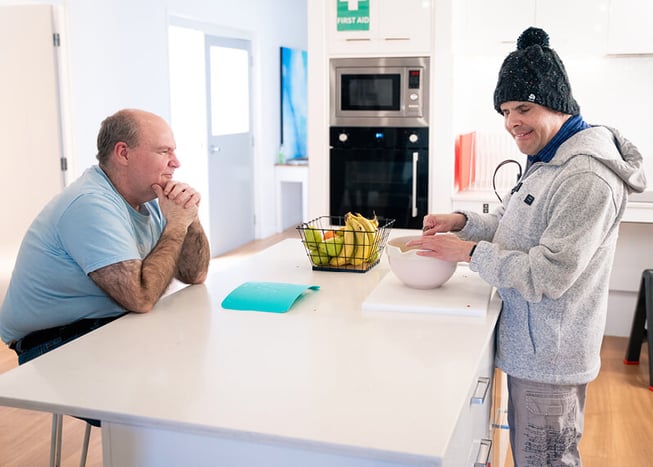
With help from the Endeavour Foundation Transition Team, Douglas moved into a SIL home where he now feels safe, connected and independent.
“My experience has been really good,” he said.
“My diabetes is more manageable, I’m learning to cook again, and I’ve built great friendships with my housemates and support workers.”
Douglas’ Support Coordinator, Ebony, was impressed with the ease of the transition.
“Endeavour Foundation responded quickly and with genuine care,” she said.
“They worked closely with everyone involved to make Doug’s transition smooth and supportive.”
Douglas’ story is a reminder that the right environment, and the right partner, can turn uncertainty into opportunity.
5 Signs Your Client Is Ready for SIL
For many people with disability, the move into Supported Independent Living is an important milestone. But knowing when someone is ready can be challenging.
Here are five signs that can help professionals identify when it might be time to start a conversation about SIL:
1. Existing Supports Are No Longer Enough
When family or in-home supports become stretched or inconsistent, it may be time to consider SIL. Missed medication, skipped meals or repeated hospital visits are common indicators. SIL can provide structure, supervision and peace of mind.
2. Increasing Complexity of Daily Needs
As health conditions change or new diagnoses emerge, the complexity of daily care may increase. When a participant needs help with multiple daily tasks – such as personal care, mobility or behavioural support – SIL can offer consistent assistance and professional oversight.
This not only improves quality of life but can reduce strain on families and informal carers.
3. Desire for Greater Independence
When a participant expresses a wish to move out, gain privacy or make more choices, SIL provides a safe way to grow independence while keeping support in place.
4. Decline in Carer Capacity
Families often reach a point where they can no longer provide the same level of care as they once could. SIL ensures continuity of support, so participants remain safe, supported and connected.
5. Social Isolation or Limited Community Participation
If a person is spending most of their time at home, withdrawing from activities or struggling to maintain friendships, it can affect both their mental health and independence.
SIL homes often provide shared living arrangements that promote connection, social interaction and belonging. With the right supports, participants can rebuild routines, join community activities and develop stronger social confidence.
The Important Role Referrers Play
Recognising when a client is ready for SIL can make a huge difference to their wellbeing.
It can prevent support breakdowns, reduce stress on families and open doors to greater independence, stability and community connection.
Recognising these early signs can help prevent crisis situations and enable smoother transitions into supported living.
A proactive referral doesn’t just connect someone to disability housing, it connects them to a more stable, engaged and independent life.
Quick Eligibility Checks and Common SIL Misconceptions
SIL is about daily supports, not the home itself. Knowing who SIL is designed for helps set clear expectations and avoid referral delays.
Eligibility Snapshot
SIL may be suitable for participants who:
- Have higher or complex support needs requiring daily assistance
- Need regular or overnight support, not occasional visits
- Have goals related to independent living in their NDIS plan
- Can share supports or live with compatible housemates
- Would benefit from structured daily routines
SIL can be delivered in shared homes, SDA properties or a participant’s own home.
Common Misconceptions About SIL
We dispel four misconceptions about SIL:
1. SIL is only for people with very high needs: Not always. Support levels vary widely.
2. SIL includes rent and utilities: It doesn’t. SIL covers support staff and services, not accommodation costs.
3. SIL reduces independence: Not true. SIL helps participants build confidence and self-reliance.
4. All disability housing is the same: Each arrangement is tailored. We match homes, staff and housemates to each participant’s needs and preferences.
Understanding these basics ensures conversations with families are informed, realistic and empowering.
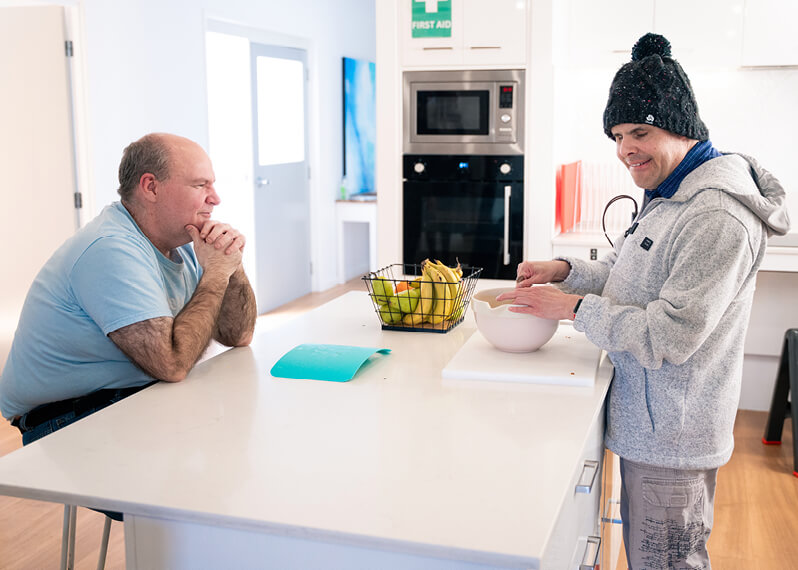
Next Steps
Recognising when a client may be ready for Supported Independent Living is the first step. Knowing where to turn for guidance is next.
At Endeavour Foundation, we work side by side with referrers from a wide range of professions to help people with disability find safe, stable homes where they can build independence and thrive. As part of this, our Transition Team can:
- Talk you through a participant’s current supports and goals
- Confirm whether SIL is the right next step or if other options fit better
- Provide vacancy updates across our SIL and SDA homes
- Coordinate the full referral and onboarding process
If you have a client who you think is suited to SIL, reach out for a confidential chat. Call 1800 112 112 or book a free consultation to explore current options. Or find out more about our home and living supports, including supported accommodation vacancies.
Together, we can make the move towards independence a positive and empowering experience for every participant.