Refer a Client
 Locations
 Donate
 Lotteries

Seventy-five years ago, there were no structured education pathways for children with an intellectual disability in Queensland, with families largely expected to manage alone.
On International Women’s Day, it is worth recognising the pivotal role women played, as mothers, educators, advocates and community organisers, alongside families and supporters in challenging that exclusion.
Their determination helped build the foundations of what is now Endeavour Foundation and shaped how inclusion has grown over the past 75 years.
This year’s International Women’s Day theme, Balance The Scales, reflects that ongoing work: ensuring people with disability have the same opportunities to learn, work and participate fully in their communities.
Elizabeth Hooper: Where the Movement Began
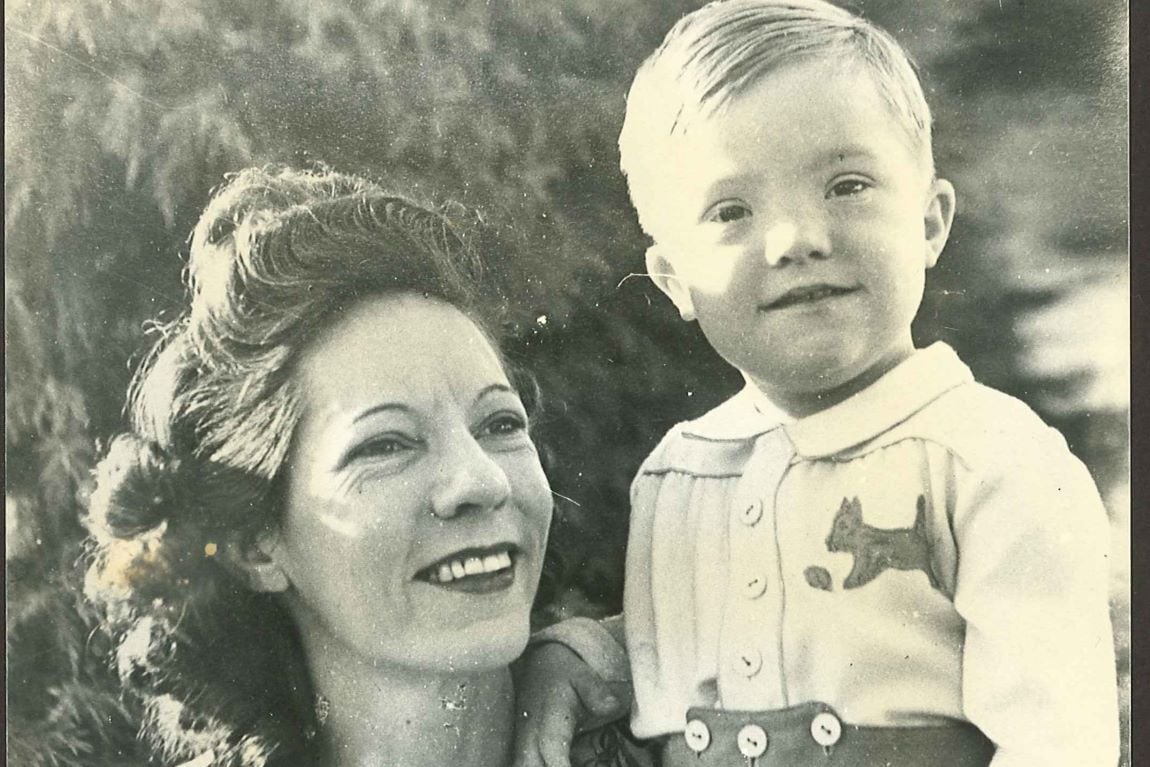
In August 1953, the first school opened on the verandah of Elizabeth Hooper’s home in Coorparoo. Her daughter Meg, who had Down syndrome, was one of the reasons the association existed at all.
What began as one mother’s determination quickly grew into a broader movement supported by parents, educators and community volunteers.
Elizabeth Hooper’s decision to ensure her child, and others like her, were not excluded from education helped spark a movement that would grow into Endeavour Foundation and a 75-year journey supporting people with intellectual disability to live, learn, work and connect.
Thora Pribbernow: Organising the Early Movement
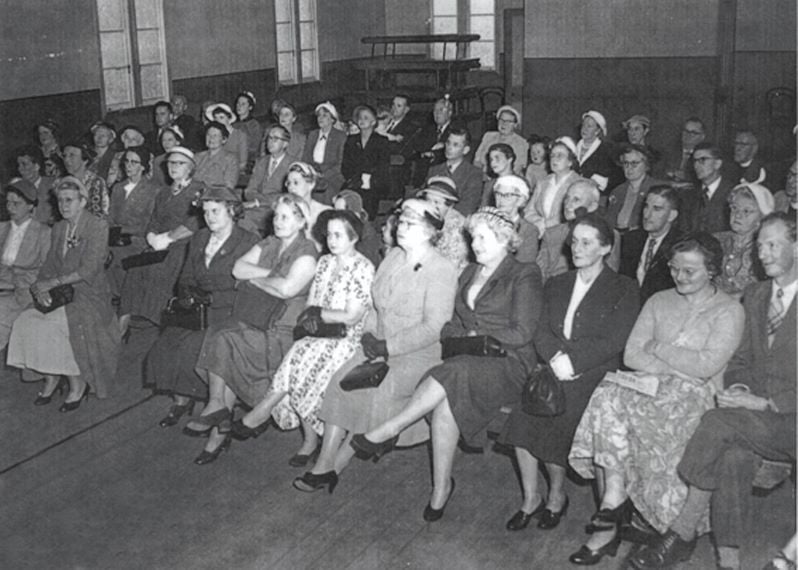
The early years of the Association were shaped by families determined to create opportunities where none existed.
From the first meetings in 1951, women played an important role in organising and structuring the organisation. They helped formalise committees, record decisions and coordinate the work needed to turn shared concern into a functioning association.
Thora Pribbernow served as Honorary Secretary during this formative period. While public records often highlight presidents and chairmen, the daily work of building membership, managing correspondence and coordinating activity relied heavily on roles like hers.
In 1953 she observed simply, “There is a great deal to do.” It was a clear reflection of the scale of the challenge families were facing.
Thelma McConnel and Eleanor Schonell: Strengthening Education
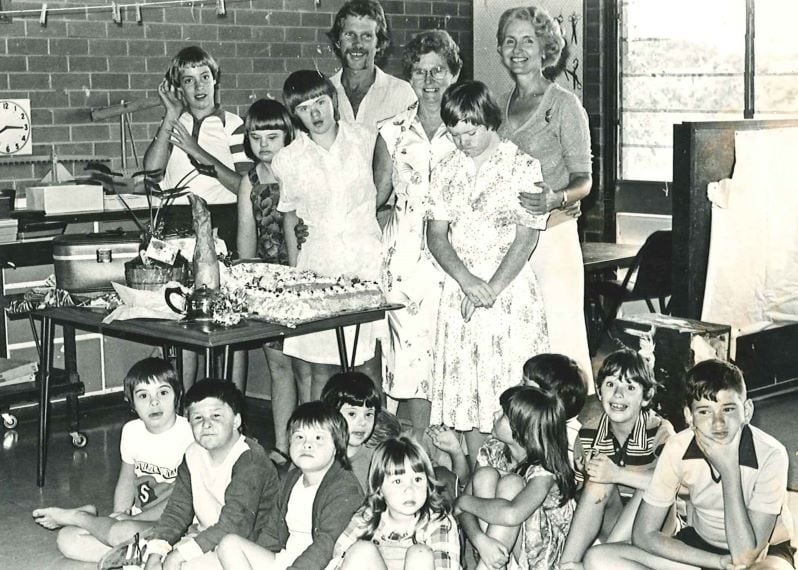
As enrolments grew, so too did the need for structured teaching and professional training.
In 1955, Thelma McConnel was appointed Principal of Bowen House and became one of the first full-time professional leaders within the organisation.
Under her leadership, teacher training was linked with the University of Queensland. Practical placements took place at Bowen House, and a more structured curriculum began to emerge.
Eleanor Schonell also contributed important academic research into diagnostic testing and specialised teaching approaches. At a time when the field was still developing nationally, this work strengthened the educational foundations supporting children with intellectual disability.
The later establishment of the Eleanor Schonell Research Fellowship reflects the lasting value placed on research and learning within the organisation.
Women Strengthening Community Support
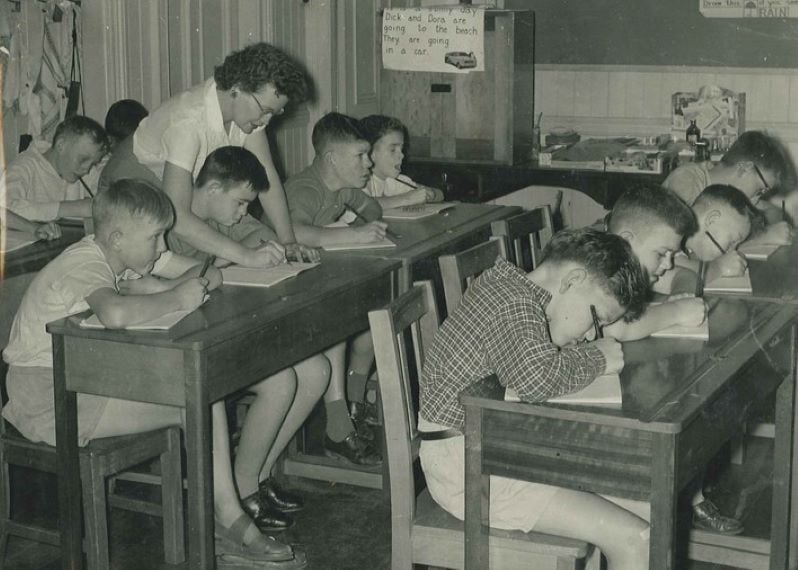
As Endeavour Foundation expanded across Queensland, women continued to play an important role in sustaining services and strengthening community support.
In 1956, the formation of the Ladies’ Social Committee was described in the President’s Report as “an important step in the progress of the Association.”
Members organised events, ran opportunity shops and led fundraising initiatives that generated essential funding for services.
Opportunity Shops, first opened in the late 1950s, became one of the organisation’s most enduring fundraising initiatives, helping finance property purchases, classroom construction and the expansion of services across regional Queensland.
Parent advocacy groups also contributed to broader conversations around integration and inclusion during the 1970s and 1980s, helping shape reforms that increasingly recognised the rights of people with intellectual disability.
A significant milestone came in 1986 when Endeavour Foundation schools were integrated into the state school system, allowing the organisation to focus more fully on development and support services for adolescents and adults.
Continuing the Legacy Today
The work of those early parents, educators and volunteers helped establish a movement that continues to shape the disability sector today.
Across Australia, thousands of people now work in services supporting people with disability, building on decades of advocacy and community leadership.
The care economy continues to be driven largely by women. Nationally, women make up around three-quarters of the health care and social assistance workforce, reflecting the significant role they play in supporting communities across the country.
Within Endeavour Foundation, women comprise 52% of the workforce and contribute across home, community and employment services.
From support workers and employment coaches through to senior leadership, women continue to play an important role in delivering person-centred services and shaping organisational strategy.
Seventy-five years on from those early meetings, women remain central to the work of Endeavour Foundation alongside families, supporters and communities who share the goal of greater inclusion.
While today’s environment includes the National Disability Insurance Scheme and a far more complex service system, the purpose remains the same: inclusion, dignity and opportunity for people with intellectual disability.
This International Women’s Day, we recognise the women who helped shape that journey and the many people who continue building a more inclusive future.