

Social Impact Report 2025 - 2026

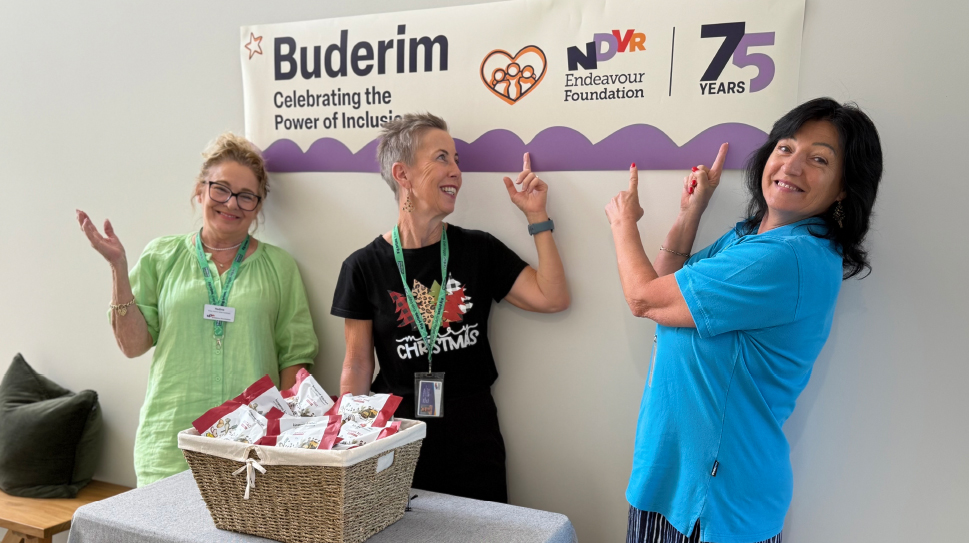
Seventy-five years ago, families of children with intellectual disability started a movement because they wanted better opportunities and support for their loved ones. Today, we continue that work by speaking up for the rights of people with intellectual disability and making sure no one is left behind.

Explore Our Impact
Scroll

Acknowledgment of Country

We acknowledge the Traditional Owners of the land on which we live, work and play and their continuing connections to land, sea and community. We pay our respects to Elders past and present and extend that respect to all Aboriginal and Torres Strait Islander peoples.

Acknowledgement of people with intellectual disability

We recognise the role that people with intellectual disability, their families and supporters play in their communities. We acknowledge the structural inequalities that create barriers from social, economic and community participation. We work towards inclusion and upholding their human rights.

75 Years of Endeavour Foundation

Our story until now

As we celebrate 75 years, we recognise the people who helped build Endeavour Foundation. We are proud of what we have achieved and excited about the future. We will keep working to remove barriers, promote inclusion, and support people with intellectual disability to achieve their goals and live the life they choose.

A Purpose Takes Shape
1951

A Purpose Takes Shape

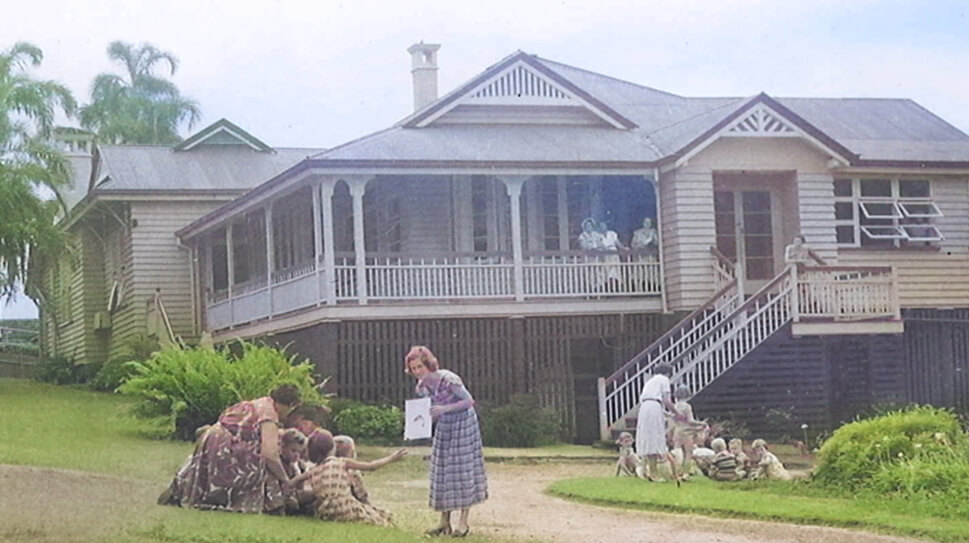
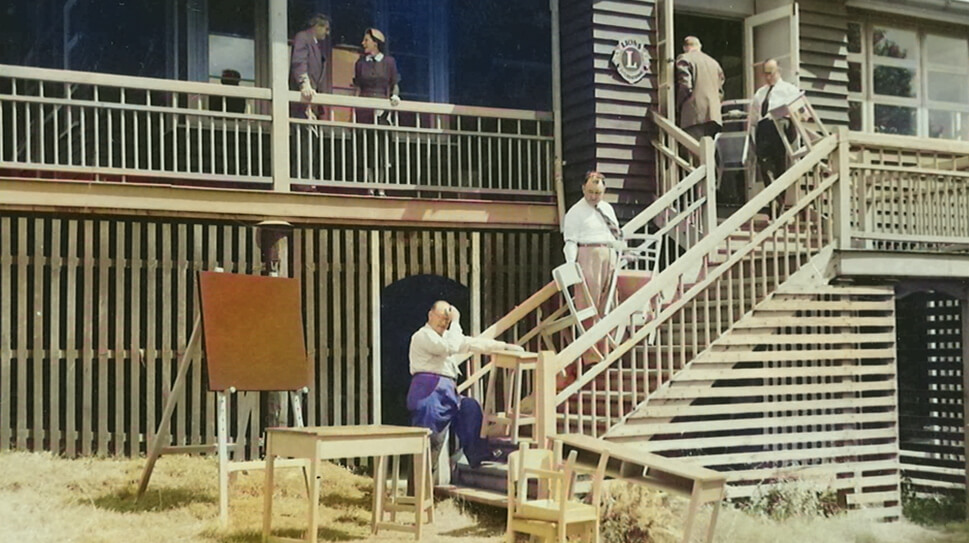
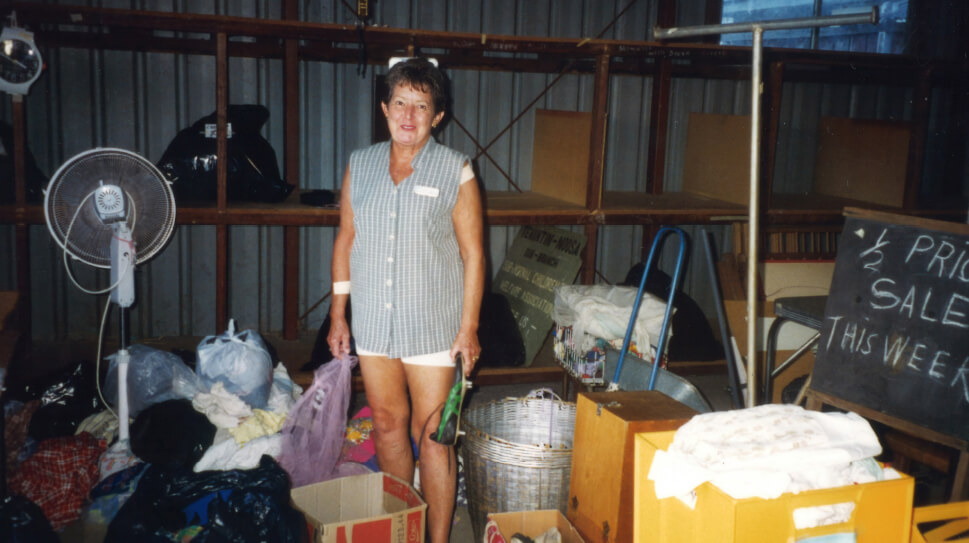
From humble beginnings and just £2 in the bank, a Queensland organisation was established in 1951 to support children with disability, growing to 140 community members within its first year.

Building Teaching Capability
1950s

Building Teaching Capability

Sir Fred Schonell brought his University of Queensland research in remedial education into practice, introducing certificate courses to build the skills of specialist teachers.

Endeavour Lotteries
1960s

Endeavour Lotteries

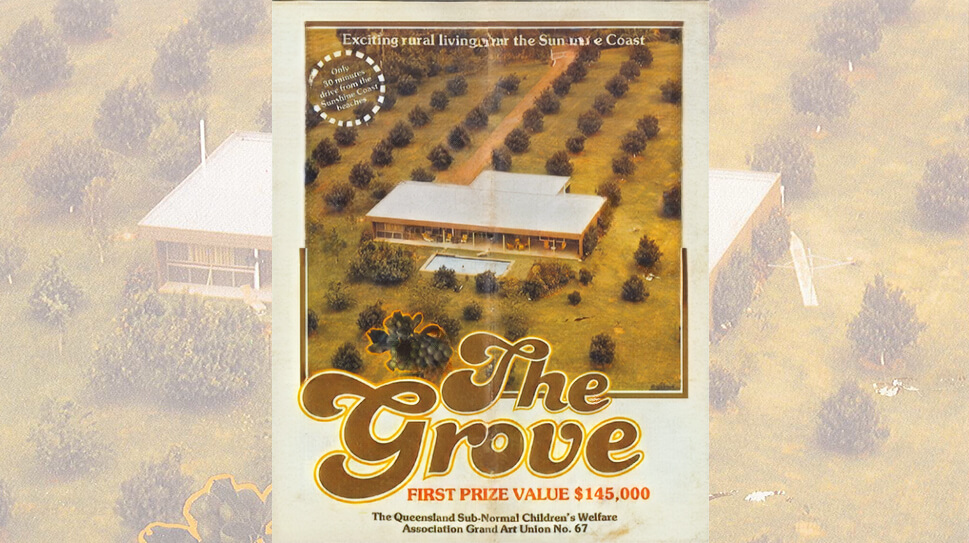
The Toowoomba branch launched its first art union in 1962, selling 6,500 tickets at £5 each with a Cecil Plains property as the prize. The model quickly expanded nationwide, becoming Endeavour Lotteries.

Powered by Volunteers
1980s

Powered by Volunteers

By the late 1980s, over 3,000 volunteers contributed more than 200,000 hours of service. By the mid-1990s, volunteer numbers and hours had nearly doubled.

A Rally for Change
1980s

A Rally for Change

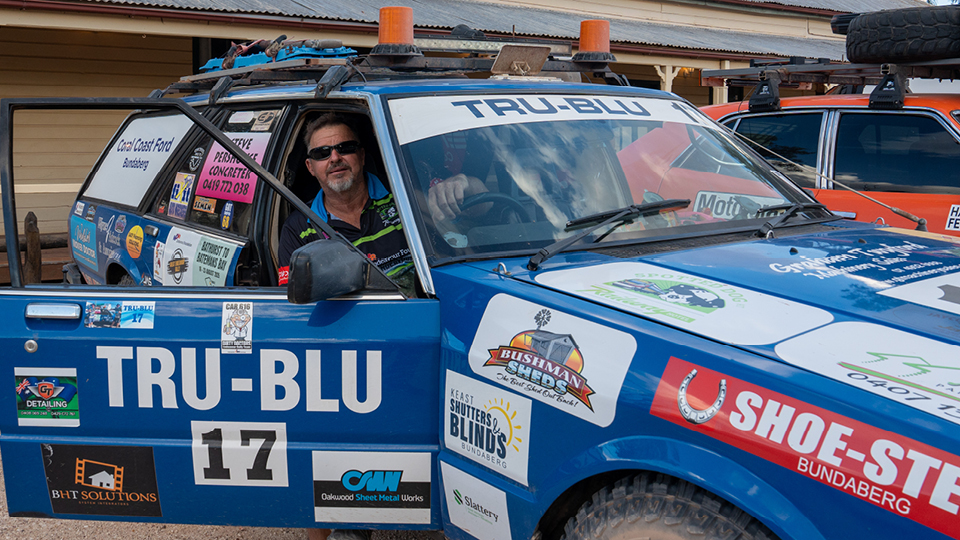
In 1988, the first Endeavour Rally saw 37 cars travel more than 5,000 kilometres across Queensland, raising $30,000. It later became the Great Endeavour Rally, raising over $12 million across 36 events.

Continued Growth and Scale
2000s

Continued Growth and Scale

In 2006, Endeavour Foundation supported more than 3,000 people — including 875 in day services, 1,296 supported employees, and 937 people receiving accommodation supports.

 My Home My Life
2020s

My Home My Life

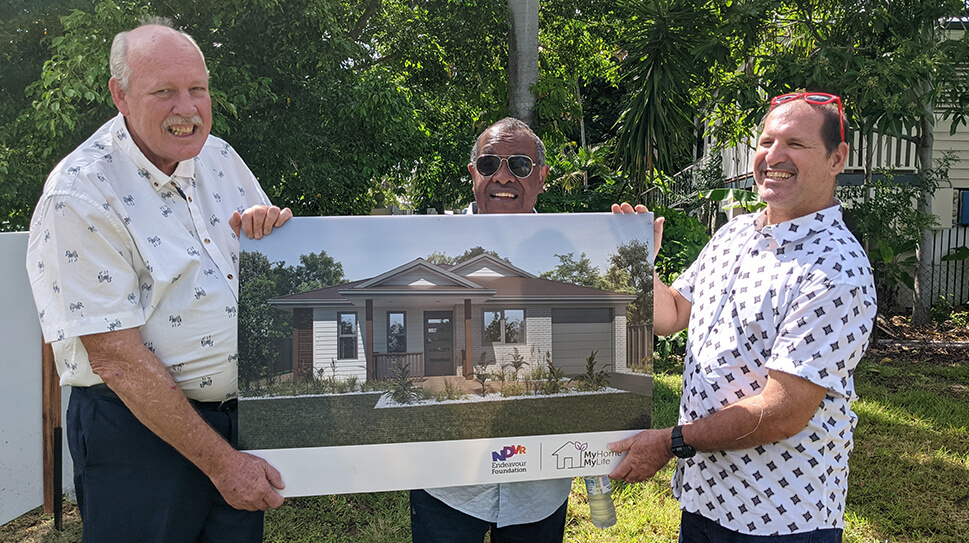
In 2020 we launched the My Home My Life self-funded $35M accessible housing initiative, providing housing for more than 220 people in 68 new or renovated homes, thanks to Endeavour Lotteries.

75 Years Strong
Today and Beyond

75 Years Strong

In 2026, Endeavour Foundation supports 6,500 people with intellectual disability across Australia and employ 4,600 people, 39% being people with disability.

75 Years of Endeavour FoundationScan the QR or click play to watch “Looking forward together”.

The reality and the difference support makes
Reality 1 of 5

People with disability should feel safe in their home
33%
National average — NDIS data, ages 25+

Colin, client, Perth WA

I feel safe at home because we have an alarm system for security, the doors are locked at night and I have a very good support team at my house who support me every day.

— Colin Daw – Person we support – Durack, Queensland / Jaggera and Turrbal people
Colin's story

Meet Colin

Colin Daw enjoys cooking old favourites like sausages and rissoles, for his housemates and loves getting out and about, browsing through the shops, buying clothes and eating his favourite lunch. He’s also a professional on public transport!

Before moving into an Endeavour Foundation Supported Independent Living (SIL) home, Colin lived in a place where he was bullied and did not feel safe. Instead of feeling safe at home, he was not feeling good, which caused stress and concern for both him and his family.

Everything changed when Colin moved into an Endeavour Foundation SIL home. For the first time, he had a safe and supportive environment where he could feel comfortable and settled.

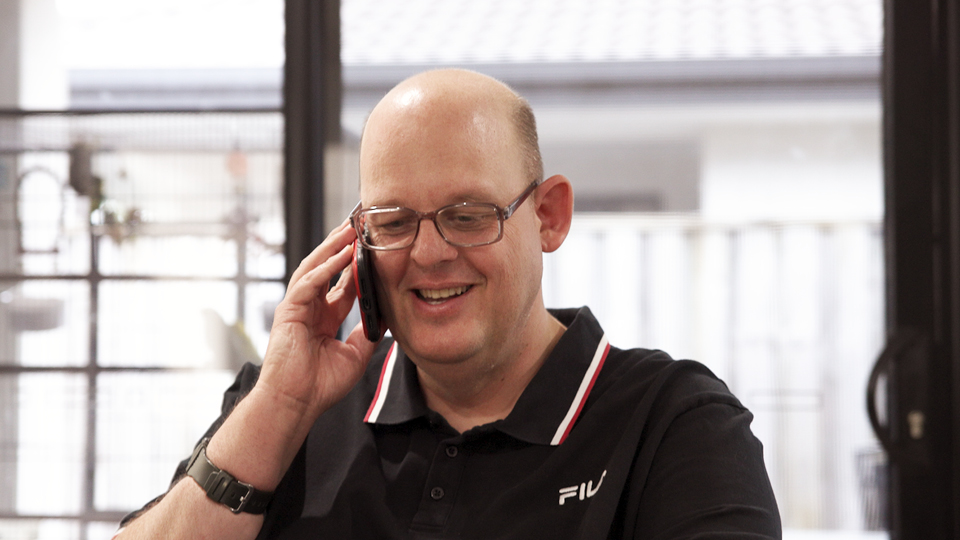
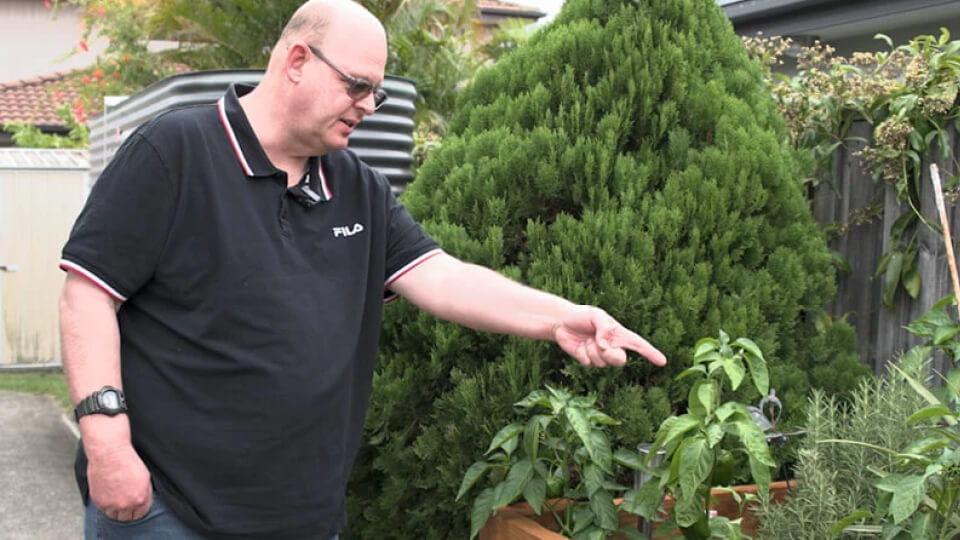
Man in the garden wearing a casual black shirt with a collar and denim shorts. He has a balding heat and is wearing glasses and pointing to some plants in a raised garden bed.With support from a trusted team, Colin has become more confident and independent. He has built daily routines, enjoys cooking meals for his housemates, spends time with friendsand has the freedom to make choices about how he lives. The person his family always knew he could be has had the chance to shine.

The move has also brought peace of mind to Colin's parents. Instead of worrying about whether he is safe, they know he is living in a supportive home where he is respected, included and doing well. This allows them to focus on simply being his family.

Colin has more than just a place to live - he has a place to call home. It is a home where he feels safe, connected and valued and where he has the confidence to live life his way. For Colin and his family, that sense of security has changed everything.
Support team working together

Our client feedback survey shows that our support has a real impact in making people safer. They may feel lonely, scared, have fewer chances to join in with community activities, and find it harder to stay connected with other people.

What we're doing

(VANE) training

100% of Endeavour Foundation staff complete Violence, Abuse, Neglect and Exploitation training annually.

Listening to feedback

In 2025–26, 93% of people were satisfied with how we responded to their feedback, up from 87% the year before.

Since launching in December 2024, our Youth Disability Services have supported six young people with disability who are in statutory care. Through this program, we are focused on providing specialist disability support to young people to live, learn and connect. We additionally support the transition from the child protection system into adulthood, with greater independence and choice, and the disability supports they require.
Reality 2 of 5

People with disability have poor health outcomes

32%
AIHW — rate their health as good/excellent

Curtis, client, Perth WA

Our family lives by the saying, ‘This too shall pass,’ and it has helped us through the hard times. Seeing Curtis settled and content in his home with Endeavour Foundation has been incredible. Medically, he’s gained weight and needed fewer hospital visits, but most importantly, he’s waking up to enjoy the small things in life again, seeing him smile and laugh shows just how happy he is.

— Tiffany – Sister of Curtis, Person we support – Hervey Bay, Queensland / Butchulla people
Curtis's story

Meet Curtis

Curtis, 27, has a smile that is infectious and loves getting out into his community whenever he can. With the help of his support workers, Curtis is also active on social media and loves to share what he has been up to.

Curtis was not always so active. When he came to Endeavour Foundation in 2025, his life had become very limited.

Curtis has complex support needs and requires a high level of daily care, including the use of a wheelchair, PEG feeding, hoisting and oxygen support. Before joining Endeavour Foundation, he was living in a Supported Independent Living (SIL) home that could not provide the level of support he needed.

As a result, Curtis spent most of his time in bed. Important supports were not always in place and basic items needed for his care, including oxygen supplies, were not being managed properly. His sister, Tiffany, often had to step in to organise supplies, coordinate care, advocate for Curtis and provide hands-on support herself. The constant responsibility left her feeling exhausted and overwhelmed.

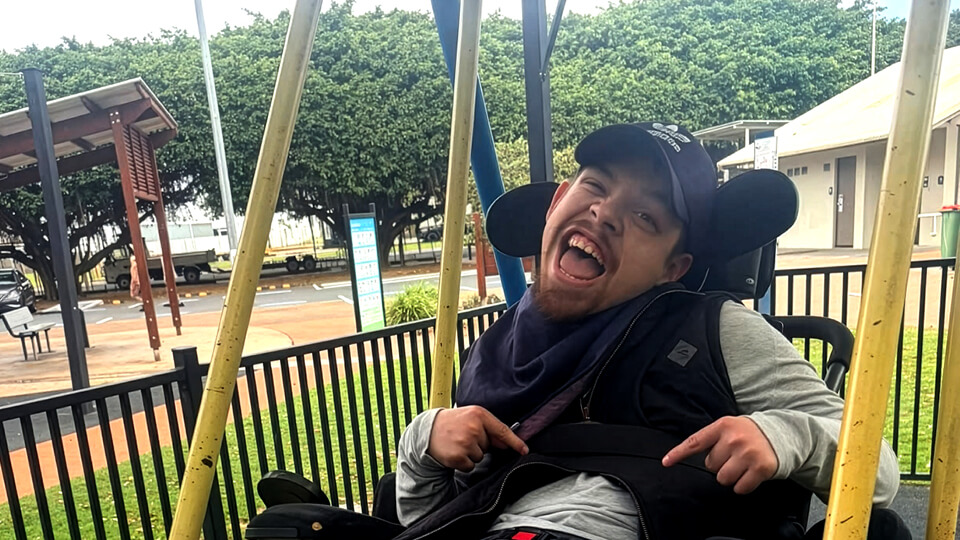
A young man in a wheelchair enjoying an outdoor disability swing at a park. He is wearing a cap. long sleeved shirt and denim shorts, with black socks.When Curtis moved to Endeavour Foundation, the goal was clear - to make sure he received the care and support he needed to live a better quality of life.

Today, Curtis is supported by a dedicated team that provides consistent, high-quality care. His health has improved significantly. After years of frequent hospital visits, he has now gone five to six months without being admitted to hospital, a major achievement for someone with such complex medical needs.

He is also gaining weight, showing that his health and nutritional needs are being met more consistently. One of the biggest changes is how he spends his days. Instead of being confined to bed, Curtis is now getting out into the community, taking part in activities, spending time with others and enjoying experiences that were not possible before. He is doing well not only physically, but also socially and emotionally.

The positive impact has also been felt by Tiffany. She no longer carries the full responsibility of managing every aspect of Curtis's care on her own. Instead, she has the reassurance of knowing he is safe, well supported and cared for by a team that understands his needs. This allows her to focus on simply being his sister again. It is a very similar story for Curtis’ parents.

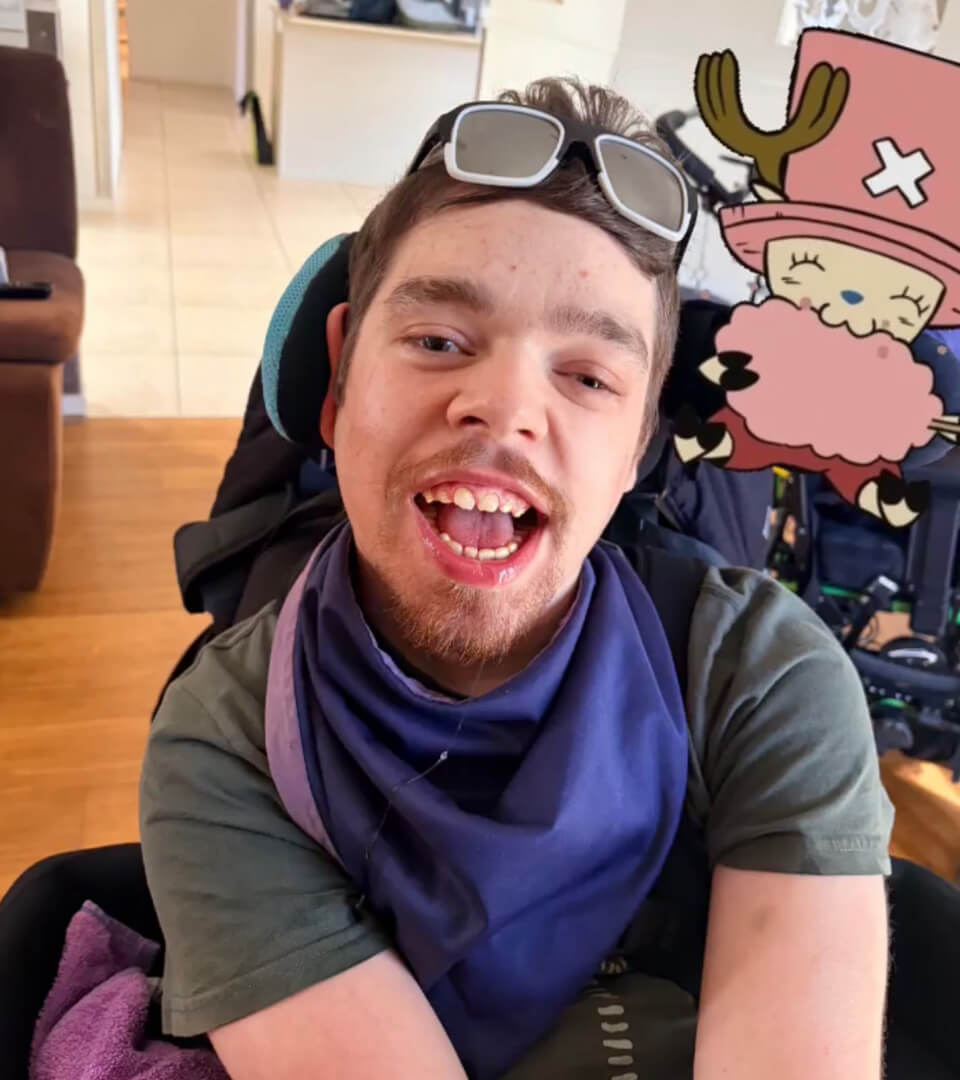
Curtis story placeholder image

Without Endeavour Foundation, many people with intellectual disability would face poorer health, greater isolation and fewer opportunities to live active, connected and fulfilling lives.

Strong and Sure is a health and wellbeing program co-developed by Endeavour Foundation and Champion Life. Designed with people with intellectual disability, it supports people to stay active, build strength and balance, reduce their risk of falls and stay healthy and independent.

The next step is a trial at more than 10 Endeavour Foundation services from June 2026. The trial will help us test the program, gather feedback, and make improvements before it is shared with more people.

Strong and Sure — our health & wellbeing program

Built with our community

Has designed with 26 people with intellectual disability and their support workers.

15 guided sessions

Has created 15 guided movement sessions for support workers to delive.

Piloting from June 2026

Has developed digital tools to track goals, progress, wellbeing, and falls risk.

Reality 3 of 5

People with disability want to choose the life they live

80%
National average — want more say in decisions

Greg Bonyhady, employee we support

Advocacy means people speaking up for themselves and other people. The power of people with disability can make a real impact, not only for Australia, but for the world.

— Greg Bonyhady – Employee we support – Kew, Victoria / Wurundjeri Woi-wurrung people
Greg's story

Meet Greg

For the past 10 years, Greg Bonyhady has been a valued member of the Endeavour Foundation social enterprise in Kew. He lives independently with his brother and a long-time friend and loves to try new things and meet new people.

In his role, he works on packing lines and supports a range of day-to-day operations. But Greg’s impact extends well beyond the production floor.

As a person with intellectual disability, Greg understands the importance of having opportunities to be heard, included and supported. This understanding inspired him to become both a mentor and an advocate for others.

At work, Greg supports people he works with who may not be very confident or be adjusting to a new environment. He remembers helping one employee who was unsure of what she wanted to do when she first arrived. By encouraging her and helping her speak up, Greg helped build her confidence and make sure her views were heard.

Greg’s interest in advocacy grew during an 18-month Certificate II in Work Education. The course involved both study and practical experience across different workplace areas. During that time, Greg was encouraged to apply for an advocacy role. Although he was not successful, the experience sparked an interest in using his lived experience to support others.

He later travelled to Brisbane to complete Endeavour Foundation’s Self-Advocacy training, where he developed skills in communication, active listening and self-expression, while also building connections with other advocates.

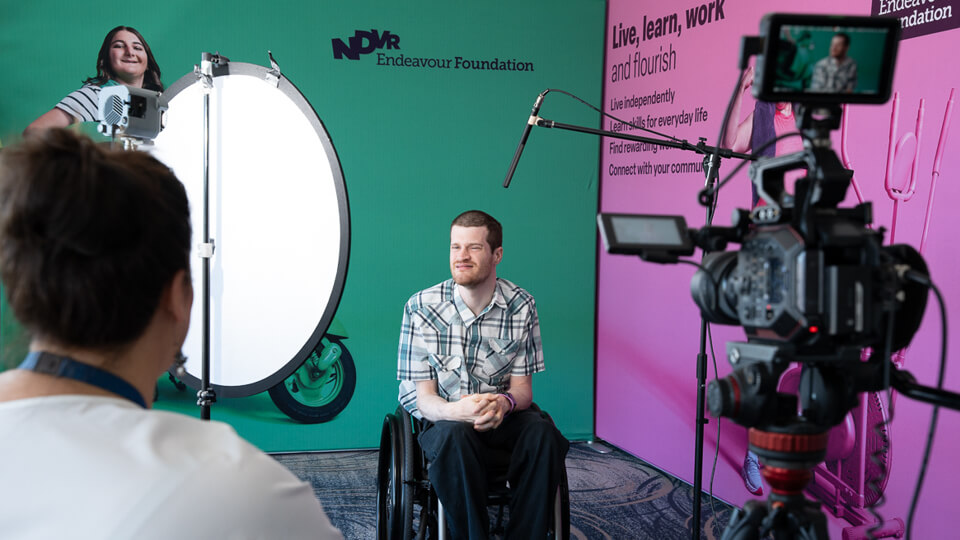
A video production setup with a young man in a wheelchair being filmed against a green and pink backdrop with Endeavour Foundation branding. The man has his hands in his lap and is wearing a checkered shirt and black trousers.Greg is a disability adviser and advocate with the National Centre of Excellence in Intellectual Disability Health. In this role, he contributes to projects that help improve health services and outcomes for people with intellectual disability.

He also works for Down Syndrome Australia. One recent project, for the NDIS Quality and Safeguards Commission, involved helping to develop an easy-read app that supports people to understand what quality services look like, recognise poor treatment and know what action to take when their rights are not respected.

Greg’s experiences have strengthened his understanding and desire to improve choice, inclusion and self-determination for people with disability.

Greg story

We believe everyone has the right to have their voices heard. Without Endeavour Foundation, many people with disability may have fewer opportunities to make informed choices, have control over decisions that affect their lives, and participate fully in their communities on their own terms.

What we're doing

Active Support training

This training helps employees provide better support for people with intellectual disability. It helps people with intellectual disability to stay active, make choices, and be more involved in their everyday lives.


In 2025–26, more than 600 employees and leaders completed Active Support and leadership training. This means that these employees have the skills to support people with intellectual disability to be more independent, take part in their community, and achieve their goals.

Specialised dementia training

People with Down syndrome have a very high risk of developing dementia as they get older, with around 95% expected to develop dementia. It can affect memory, communication and a person's ability to make decisions. The early signs can be difficult to recognise and are sometimes mistaken for normal ageing.


Our new dementia training helps employees recognise these signs early and provide the right support. It gives staff practical tools and resources to respond to changes, connect people to specialist support, and help people with intellectual disability stay involved in decisions about their care, support and future for as long as possible.

Reality 4 of 5

People with disability want a job that's right for them

38%
Don't feel supported at work — NDIS data

Renee, client, Perth WA

It took me 14 years to get full-time employment. Having full-time permanent work is wonderful, it gives me security, independence and the opportunity to contribute in a positive way.Endeavour Foundation helped me reach that.

— Renee Kelly – Employee we support – Cannon Hill, Queensland / Jaggera and Turrbal people
Renee's story

Meet Renee

Finding a job that is right can be difficult for many people with intellectual disability. For Renee Kelly, it took 14 years of searching and applying for jobs before she found the right one.

Renee works as a Reports Administration Assistant at Endeavour Foundation’s Cannon Hill Support Centre. She supports the recruitment team by helping people who are interested in finding work, arranging appointments, updating records and managing important documents. She also coordinates travel bookings for employees across the organisation, a responsibility she enjoys because it gives her another way to support her colleagues.

Renee is blind and uses screen reader technology to do her job. While some websites and systems can sometimes create accessibility barriers, she has developed strong problem-solving skills and draws on her experience with assistive technology to work independently and effectively.

The role suits Renee’s strengths, including her attention to detail and her passion for helping others. It has also given her the chance to develop new skills in areas such as travel coordination, administration and note-taking. With the support of her team, she continues to build her confidence and grow her skills.

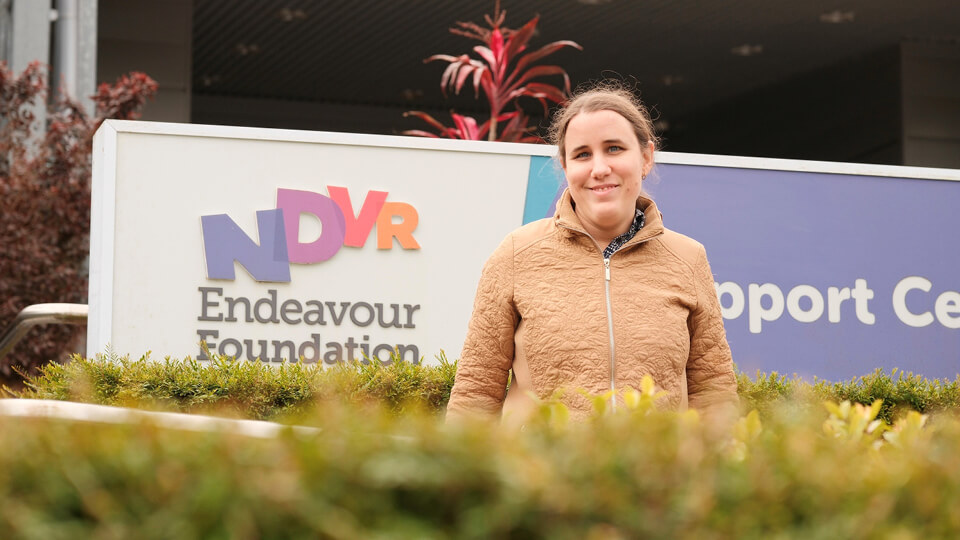
A woman standing in front of a sign for Endeavour Foundation Support Centre. The woman has her hair pulled back and a smile on her face. She is wearing a beige zip up jumper with a green hedge in front of her.Having a permanent full-time job has made a real difference in Renee’s life. It has given her financial security, greater independence and increased confidence and self-belief. It has also helped her build social connections and be part of a workplace where she feels valued and respected.

Outside of work, Renee is a passionate advocate for people with disability. She attended Endeavour Foundation’s first Self-Advocacy Conference, where she spoke about issues that are important to her, including housing and the need for people with disability to have their voices heard.

Renee story placeholder image

People with intellectual disability do important work in areas such as recycling, timber production, administration and packaging. Through this work, people build skills, earn an income, and make a valuable impact every day.

The benefits go beyond the workplace. This work created more than $75.6 million in social and economic value and reduced the need for other funded supports by $42.7 million. For every $1 invested, $2.09 of value was created.


Employment, by the numbers

1,645

People with disability in work with Endeavour Foundation.

41 years

Average age of employees we support.

$75.6M+

Social and economic value that work created.

68% / 32%

Male / female split across our supported workforce.

22 hours

Average work week across our supported workforce.

$42.7M

Reduction in need for other funded supports as a result.

Reality 5 of 5

People with disability have a voice they want to share

75%
NDIS participants never joined a self-advocacy group

Nick, client, Perth WA

Speaking up about my experiences showed me that my voice matters. When you advocate for yourself and share what barriers you face, you're not just helping yourself — you're helping create change for everyone.

— Nick B – Self Advocate – Point Cook – Victoria/ Bunurong People
Nick's story

Meet Nick

Nick B started working for Endeavour Foundation in 2024 and brings a range of interests and community involvement to his role.

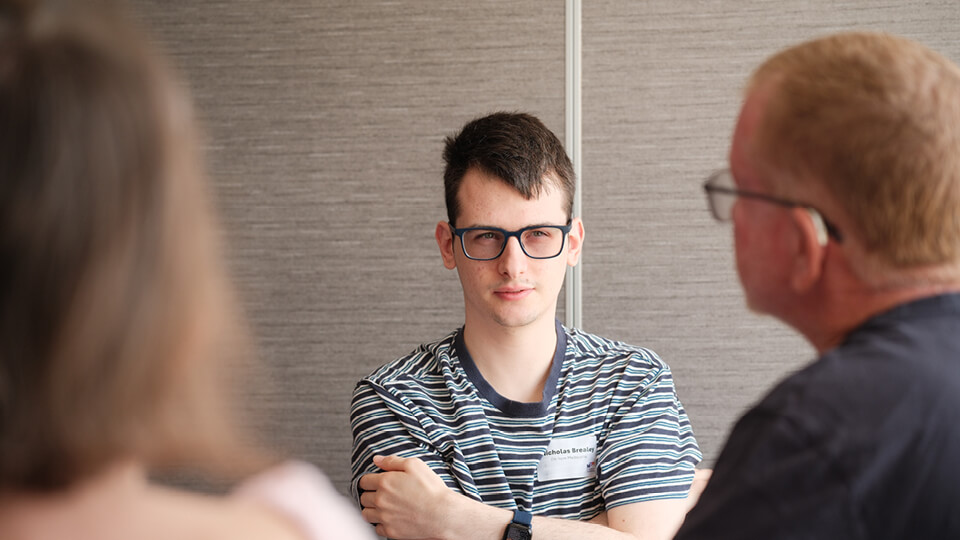
For Nick, voting was never a simple experience. Like many people with disability, he found voting centres overwhelming. The noise, busy crowds and sensory overload made it difficult to participate comfortably. He also experienced situations where staff did not understand the Hidden Disability Sunflower Lanyard, leaving him feeling unsupported by the staff that were meant to assist people to vote.

Nick shared these experiences with Endeavour Foundation's Advocacy team. His story, along with feedback from other people we support, was included in a submission to the Victorian Parliament's Inquiry into Voting Centre Accessibility. Nick then presented his thoughts to the parliamentary inquiry into Victorian Electoral Commission (VEC).

By speaking openly about the barriers he faced, Nick helped decision-makers better understand the challenges that many voters with disability encounter. His lived experience became part of a collective call for more accessible voting options across Victoria.

That advocacy has led to a significant outcome. The VEC has announced that low-sensory mobile voting facilities will be available in all 88 Victorian electorates for this year's state election. These facilities are designed to provide a calmer and more accessible voting experience for people who may find traditional voting centres overwhelming.

Nick’s willingness to share his experiences has helped create better access not only for himself, but for many others.

As well as all this fantastic advocacy work, Nick enjoys cooking, gaming, visiting local markets and ten-pin bowling with Western Melbourne Special Olympics. He is also an avid board game enthusiast and regularly attends gaming sessions where he lives in Melbourne. At home, Nick is kept entertained by his four pets, two cats and two dogs, who are a constant source of fun.

Nick story placeholder image

Here's how we're amplifying voices.

Amplifying voices for impact

Self Advocacy Conference

In November 2025, 19 people attended our conference — building friendships, learning their rights, and developing the confidence to speak up.

Watch the conference video →

Client Advisory Group

Formed in 2025, members shape training, appear in videos, and meet with decision-makers to inform advocacy efforts.

Advocacy Network — 26 members

Bringing together people with disability, family and carers to shape advocacy on NDIS reform, employment and housing.

Advocacy in action

Influencing decision makers

Tap a card to read the full story.

Helping people with disability to thrive

Thrive: Rights and Advocacy Program

Last year, we received a $500,000 grant from the NDIS Quality and Safeguards Commission to create the Thrive: Rights and Advocacy program. The program includes training videos, online learning, workbooks and other resources to help people understand their rights and speak up for themselves.

In person workshops have begun in Queensland, New South Wales and Tasmania with delivery partners and will commence soon in Victoria, South Australia and Western Australia. More information will be available on our website in late 2026.

Thrive is helping more people with intellectual disability understand their rights, make their voices heard, and make choices about their lives.

“I'm happy to speak and let others become aware of how they can speak up for themselves and do the things that they'd like to do, and not be told by others that they can't.”

— Kurtis, Employee we support · Cannon Hill, QLD / Jaggera and Turrbal people

200+ people with intellectual disability helped design the program and provided feedback.

17 people with disability and support staff acted in the training videos.

26 people with disability and 3 support workers took part in pilot workshops.

Advocating for the right support funding

Making sure funding matches need

Helping people to access plan reviews when their needs are not fully covered, is an important way to ensure people have the right support to stay safe, healthy and involved in their community.

What are advocacy and assessment services?

In 2025–26, 77 people we support at home, at work and in the community, were assisted to have their plans reviewed. This resulted in an average increase of 40% per plan, better recognising people’s true support needs.

By helping people access the right plans, they gain more options to choose the supports and services they need, when they need them.

Providing support without the right funding can affect our ability to continue delivering services.

Tap a card to read the full story.

When supports are unfunded, fundraising matters more than ever

Thanks to the generosity of our community

Fundraising activities and community support helped fund important programs and initiatives that promote inclusion, build skills and create new opportunities for people with disability to live the lives they choose.

Tap a card to read the full story.

Other ways to raise

Tap a card to read the full story.

Thank you to our supporters

75 years of giving

Endeavour Foundation has always been a fundraising organisation.

This year, fundraising activities and community support helped fund important programs and projects that promote inclusion, build skills and create new opportunities for people with intellectual disability to live the lives they choose.

Thanks to the generosity of our donors, partners and supporters, every dollar we raise is helping us to support people with intellectual disability to live, participate and thrive.

View Our Donors and Supporters
How our lotteries make an impact

Behind every winning ticket is a bigger story of impact.

From high school to high luxury

Barry and Belinda purchased a ticket in our Little Mountain Prize Home draw and received the life-changing news that they had won a multi-million-dollar home on the Sunshine Coast.

Every ticket contributes funding to Endeavour Foundation’s inclusive employment programs, helping people with intellectual disability build skills, earn a wage and grow in confidence – thank you.

“We’ve worked with a lot of kids that need help, and then they leave school and they’re out on their own. So, it’s great to have organisations like Endeavour Foundation to help them out. We can see the need for it and the benefits – it’s definitely worthwhile.”

- Barry and Belinda – Lottery winners, Sunshine Coast Kabi Kabi (Gubbi Gubbi) people

Click on the lotteries image below for your chance to win.

Discover more about Endeavour Foundation

Every figure here represents a person, a family, and a community working towards a life with more choice.